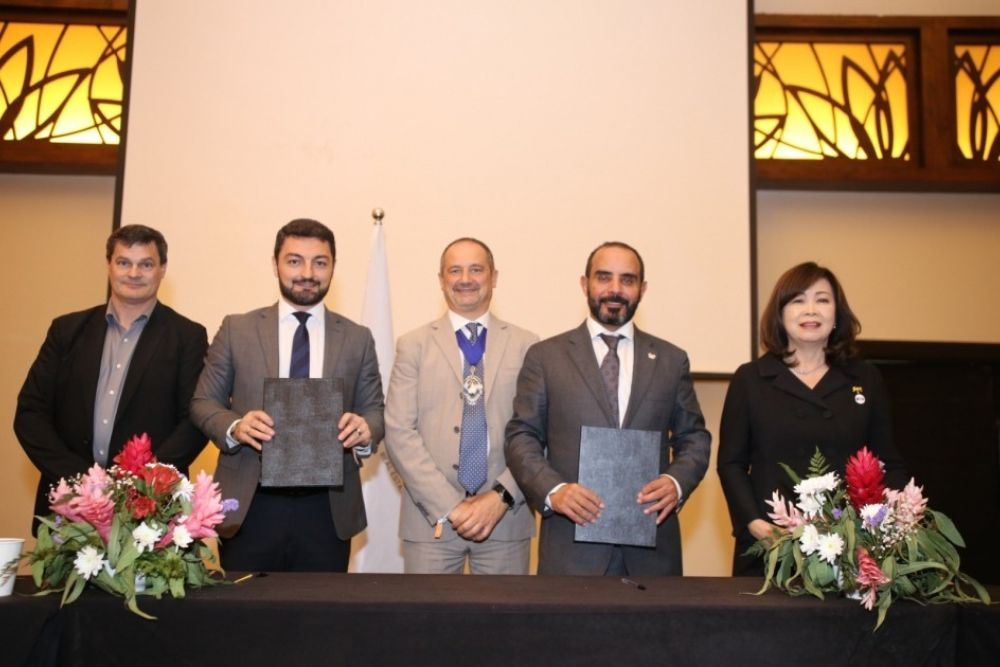
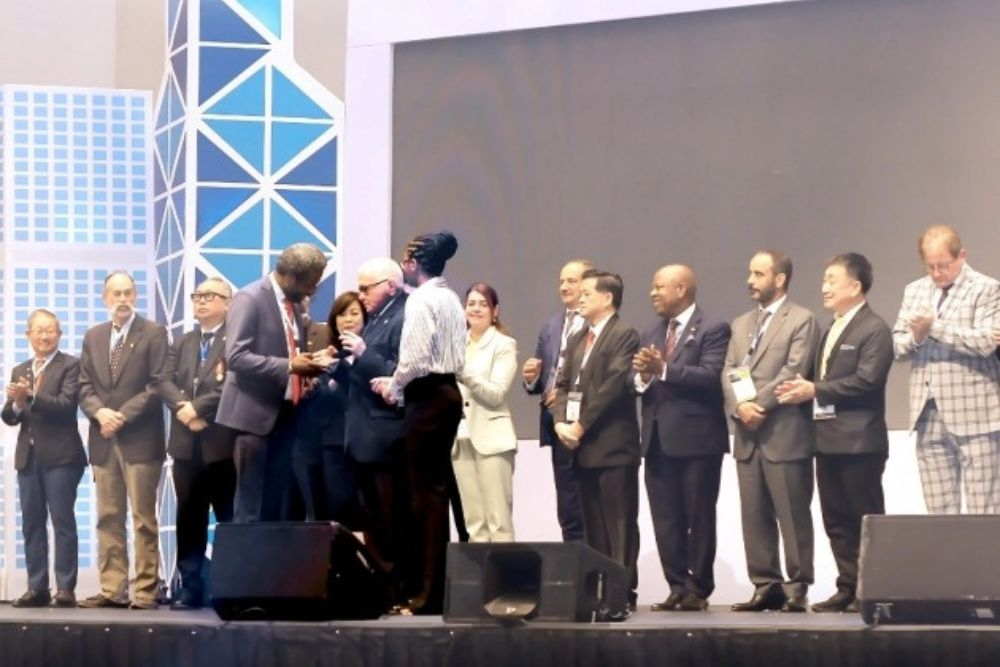
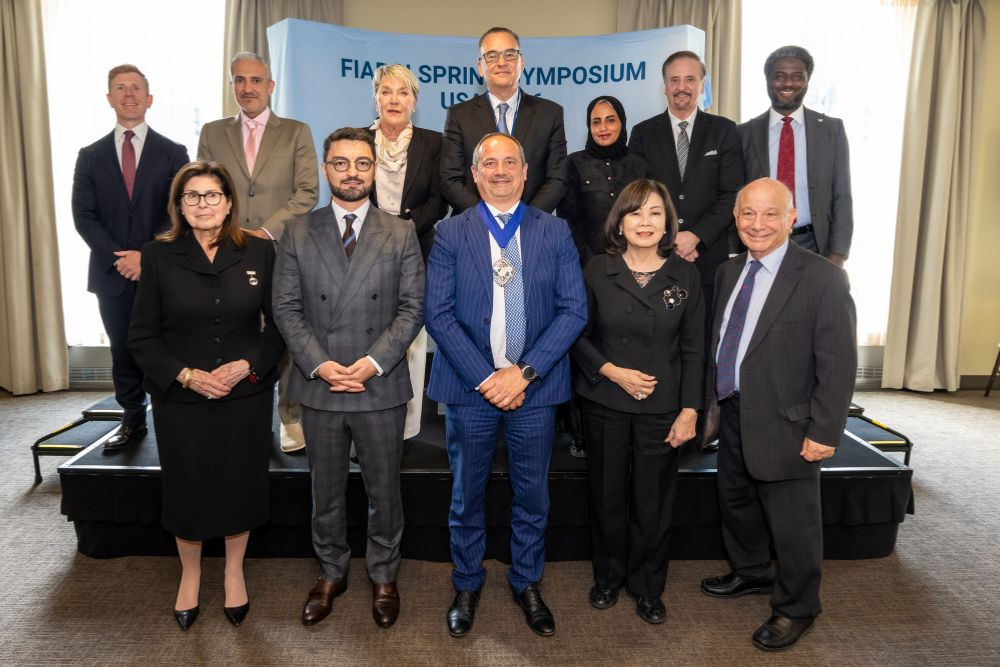
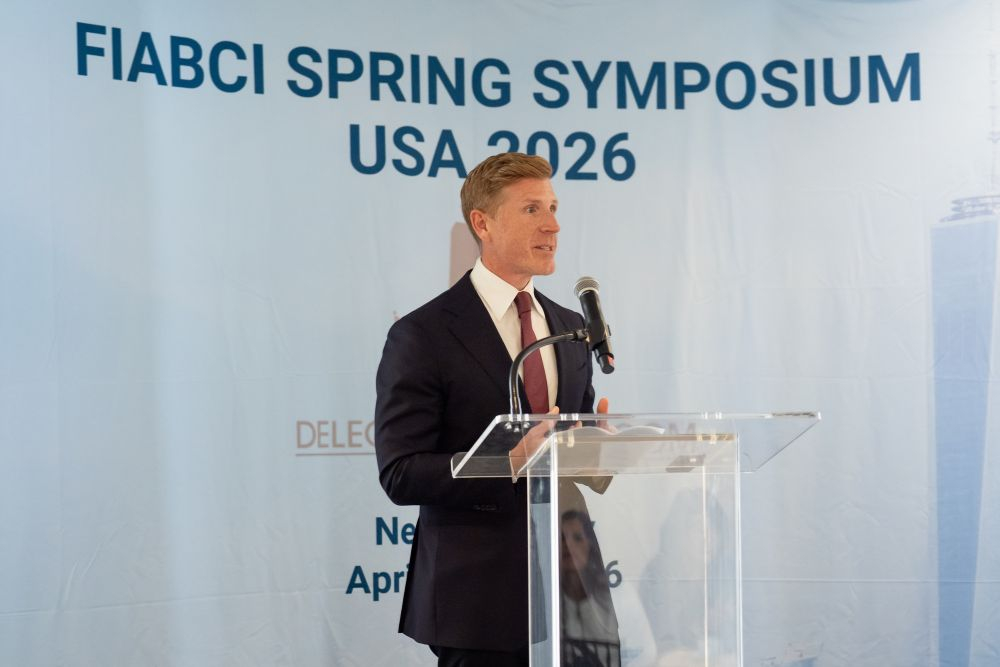
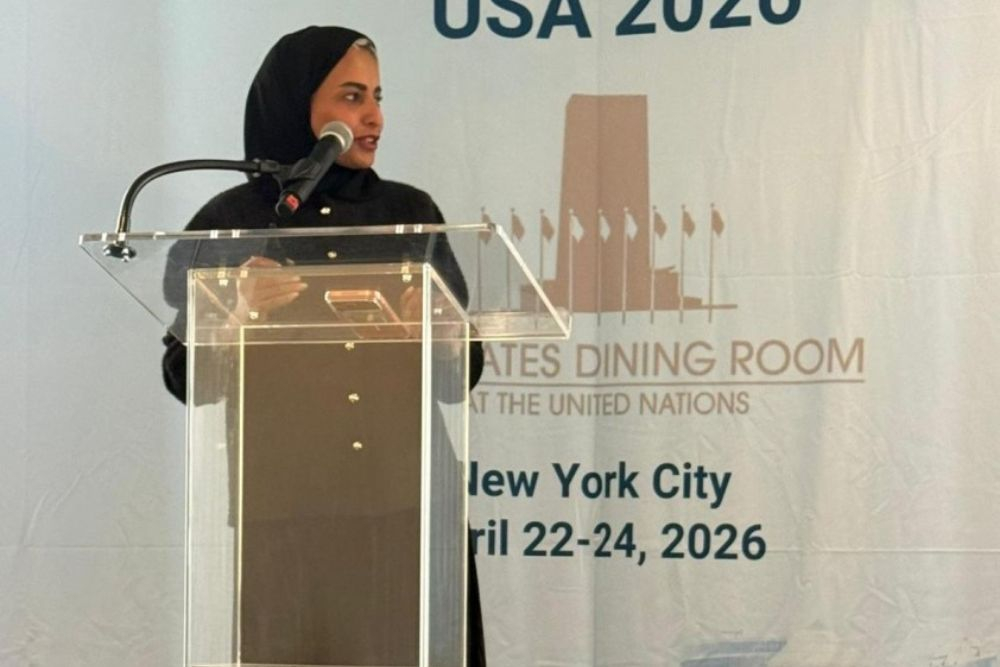
FIABCI, the International Real Estate Federation organized its Spring Symposium 2026 at the United Nations Headquarters in New York City, United States, from April 22 to 24, 2026, under the theme: “The Built Environment at Work: Enhancing the Real Estate Sector's Role in the New Urban Agenda, the Sustainable Development Goals, and Voluntary National Reviews.”
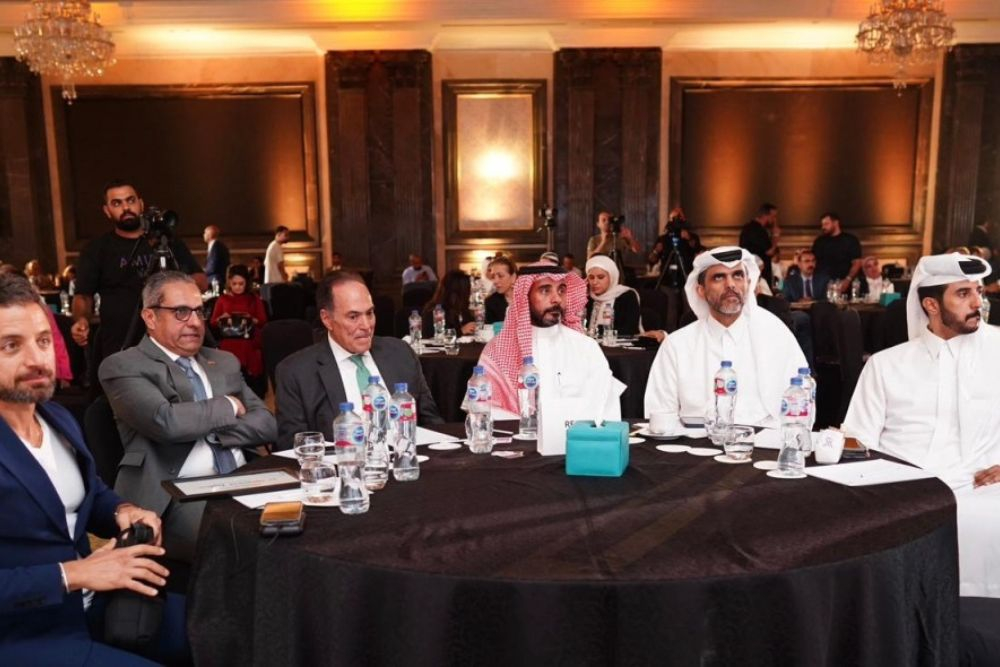
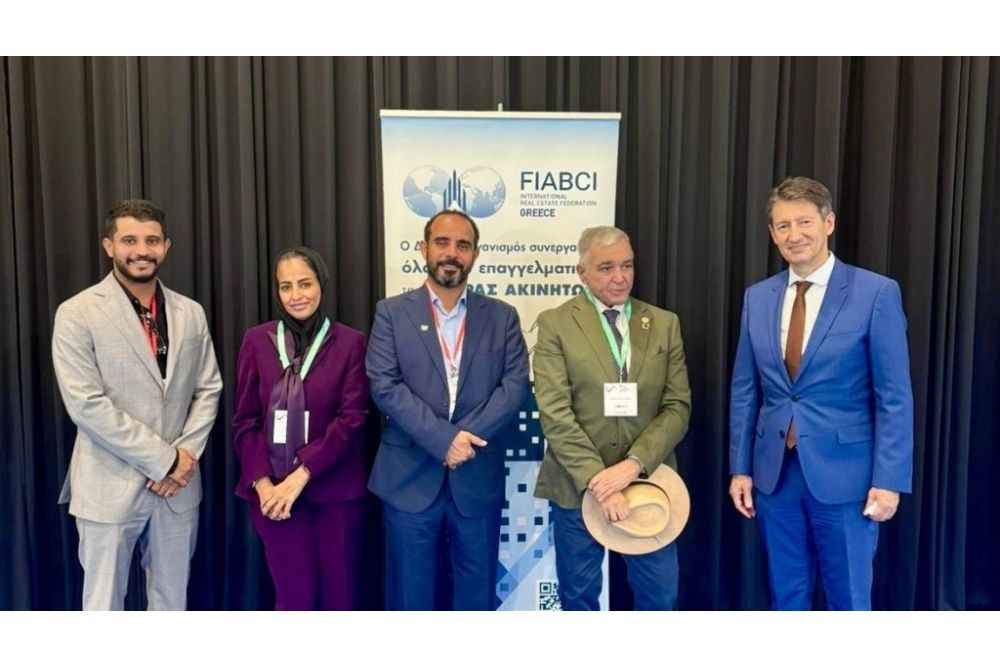
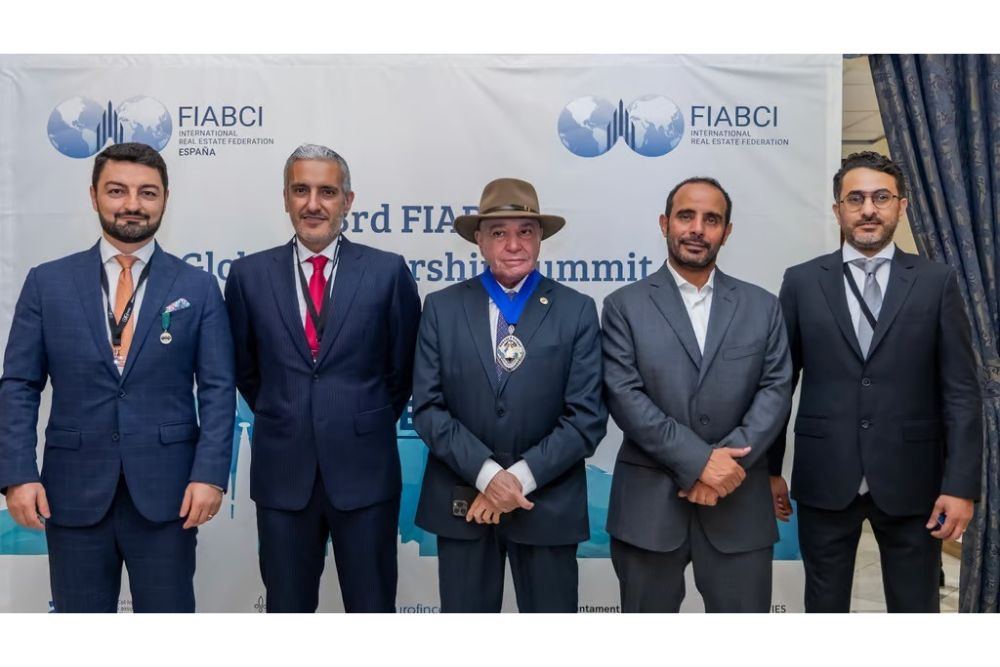
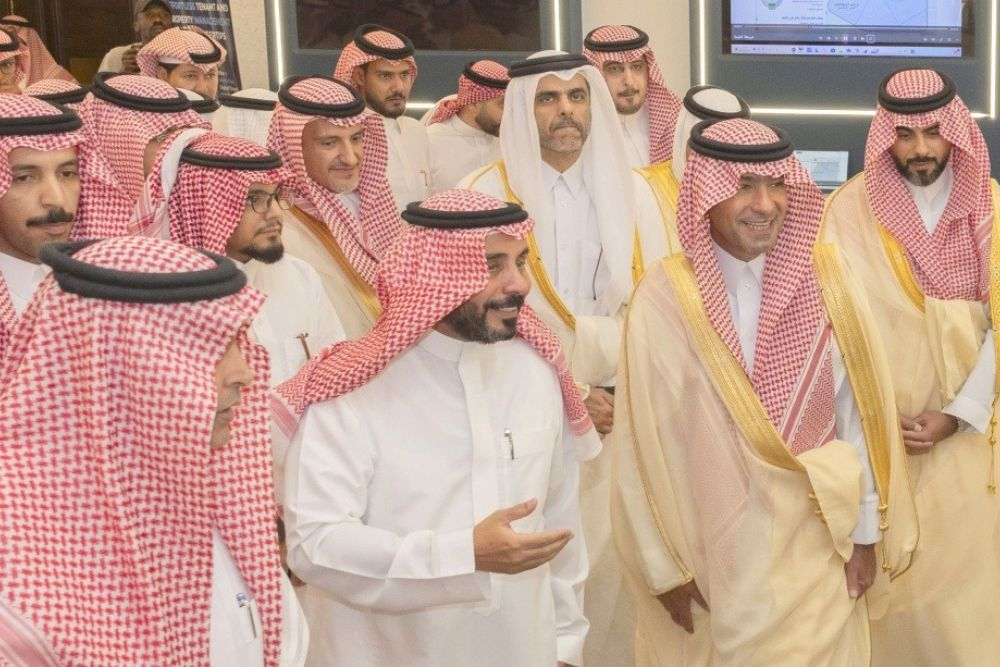
The symposium featured a high-level delegation from the Kingdom of Saudi Arabia, reflecting the Kingdom’s commitment to strengthening the presence of its real estate sector in regional and international forums, and highlighting its contributions to urban development and the achievement of the Sustainable Development Goals (SDGs).
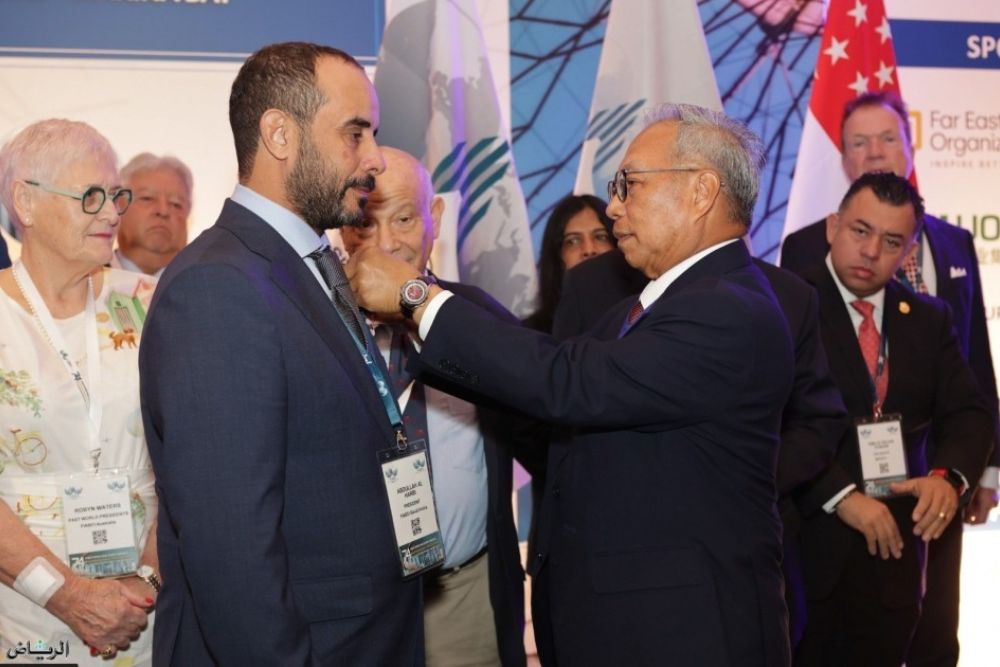
Abdullah Al-Harbi, Representative of FIABCI to the United Nations and President of FIABCI-Saudi Arabia, participated in the symposium’s sessions. He addressed key global real estate and housing challenges, while showcasing the rapid evolution of Saudi Arabia’s real estate sector. He highlighted innovative approaches adopted by the Kingdom to address housing challenges, including the use of advanced construction technologies.
Al-Harbi emphasized that this progress is driven by the objectives of Saudi Vision 2030, which aims to increase homeownership to 70% by 2030, while enhancing real estate financing and attracting high-quality foreign investments.
He also underscored the pivotal role of FIABCI-Saudi Arabia in supporting sector development and promoting sustainability within the built environment. He noted the organization’s achievement of first place globally in 2025 among FIABCI chapters worldwide, attributing this success to its efforts in advancing professional knowledge and delivering specialized training programs.
Dr. Mohammed Al-Sulaiman, FIABCI member and CEO of the National Company for Real Estate Registration Services (“Real Estate Registry”), presented the Saudi experience in real estate registration and its impact on protecting property rights and advancing sustainable development.
He noted that SDG Target 1.4 explicitly calls for ensuring equal rights to ownership and control over land and property. However, he explained that global progress remains below expectations a decade after the adoption of the SDGs. He emphasized that comprehensive property registration systems are key to addressing this gap, as they transform land from a dormant asset into productive capital and assign each property a unique geospatial identity, thereby enabling financing and investment opportunities.
Al-Sulaiman further explained that Saudi Arabia has implemented an integrated property registration system based on a nationwide geospatial survey covering more than two million square kilometers. As a result, more than 4.8 million real estate parcels have been announced for registration in less than two years, with over 1.6 million property titles issued. This progress has contributed to the Kingdom’s advancement in the Global Real Estate Transparency Index, rising from 49th place in 2022 to 38th in 2024. He concluded that the Saudi model demonstrates how unlocking assets through formal property registration can play a critical role in addressing housing challenges.
Reem Al-Harbi, Vice President of FIABCI-Saudi Arabia, also participated in a session titled “The Global Housing Crisis.” She highlighted the growing role of Saudi Arabia’s real estate sector in tackling global housing challenges through innovative development models and sustainable solutions that enhance market attractiveness for international investors.
During the session, she discussed the Kingdom’s efforts to open its real estate and capital markets to foreign investment, develop viable financing frameworks, adopt smart and sustainable urban development practices, and innovate in real estate financing tools. These efforts, she noted, provide scalable models that can be applied globally.
Founded in 1951 in France, FIABCI is one of the world’s largest real estate organizations, representing approximately 1.5 million professionals across more than 70 countries. The federation adopts a comprehensive approach that integrates economic, social, and environmental dimensions to support sustainable development and maximize the sector’s positive impact on societies. It also promotes innovation through the adoption of advanced real estate technologies to keep pace with evolving opportunities in the global market.