Serving the Global Real Estate Industry Since 1951
Welcome to FIABCI
Start the experience


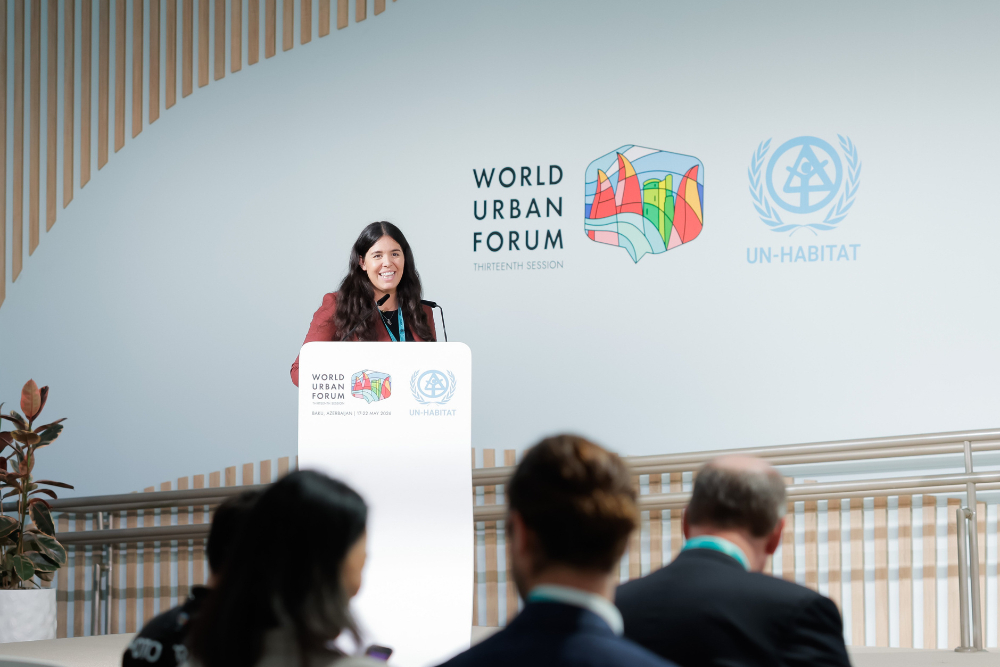
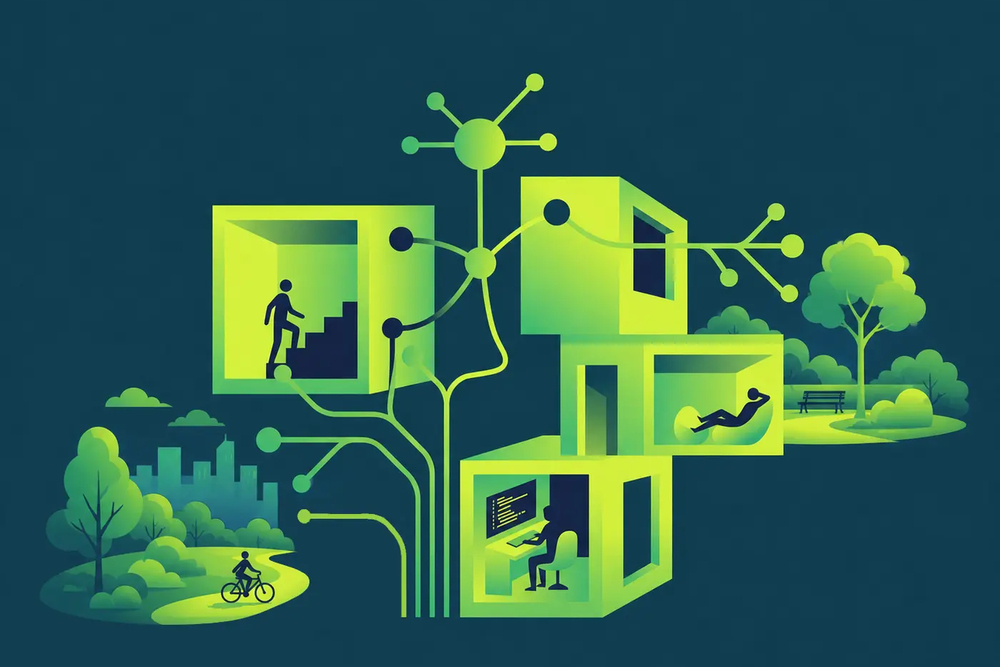
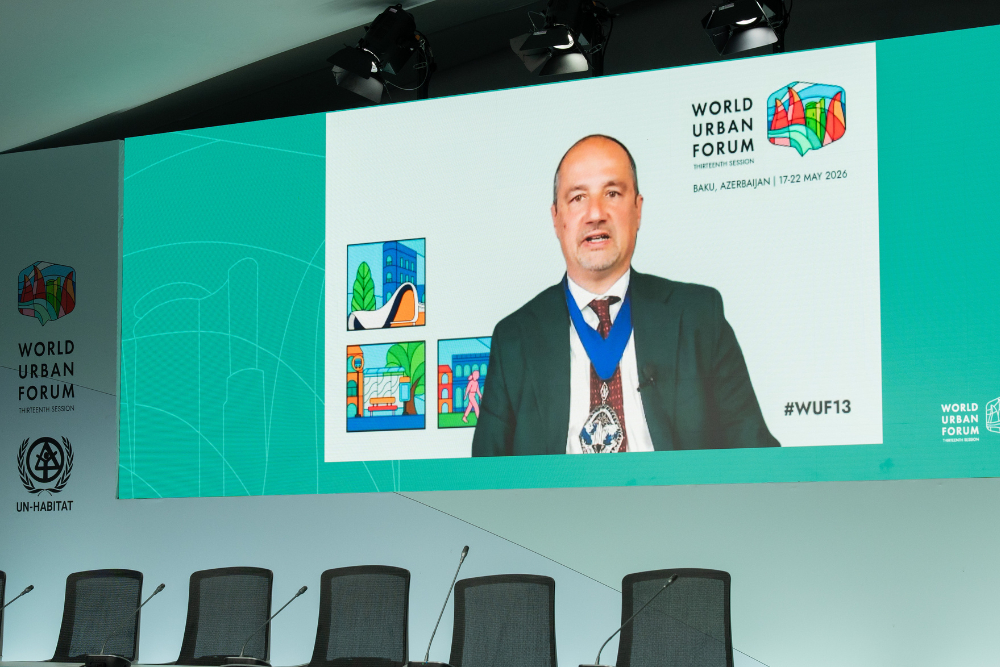
These fictitious characters represent different slices of the global housing crisis. Their profiles were assigned to attendees as a vivid illustration of the human stories behind the conversation at “The Global Housing Crisis: What is the Plan?”, the first of six high-level dialogues taking the stage at the thirteenth World Urban Forum (WUF13).
Diagnosing the problem
The scope of the crisis is both broadly shared and geographically distinct. More than 2 billion people do not have access to safe drinking water and over 3 billion people lack access to adequate sanitation. What’s more, housing is simply too expensive for too many people. Nearly half of all households spend more than one-third of their income on housing.
“Housing is a structural crisis that is no longer about one issue alone or one part of the world alone, the Global North or the Global South, but truly a developmental challenge,” said Emilia Sáiz, Secretary-General of United Cities and Local Governments.
And yet, there are wide-ranging regional differences. While Latin America increasingly shifts toward smaller households — a surprising 20% of households now consist of a single person — there are still another one billion people yet to be born in Africa, the majority of whom will live in cities.
“Africa will not be rural in 25 years,” warned economist Jeffrey Sachs, President of the Sustainable Development Solutions Network.
The continent’s shift away from an agricultural society will require a massive investment in housing and jobs as sub-Saharan Africa’s urban population is forecast to double in a quarter-century.
Planning for solutions
There is no single plan to chart humanity’s way out of the global housing crisis, but there are several critical elements for successful approaches. UN-Habitat Executive Director Anacláudia Rossbach highlighted five key components of solutions to the global housing crisis: crafting holistic policies, thinking beyond just delivering new units, effectively managing land and tenure security, pursuing housing financing options beyond traditional mortgages, and advancing the climate and housing agendas together.
Some countries have already had success on these fronts, like Kenya, which has leveraged $5 billion in three years to build 273,000 affordable homes — the largest domestically-financed housing programme in Africa. The Kenyan government is paying for these new homes with a 1.5% gross salary housing levy.
The scheme is inspired in part by successful experiences in Latin America. Speaking from experience running Brazil’s Minha Casa, Minha Vida (My House, My Life) national housing programme, Inês Magalhães, Vice-President for Housing at Caixa Econômica Brasil, cautioned, “There is no social housing without strong subsidies.”
In the European Union, meanwhile, there is increasing recognition that existing building stock is part of the solution. An estimated 20% of housing units sit vacant while short-term rentals surge, some of the sobering findings from the EU Commission’s Affordable Housing Task Force.
“In all these overheated housing markets? That’s a scandal,” said Matthew Robert Baldwin, EU Commission Deputy Director-General, who leads the task force.
The task force proposed an eight-point plan for improving the bloc’s affordable housing prospects. Among the findings is the need to mobilize private capital. “All the public money in the world would never be enough,” Baldwin said. “We need to find a clever way to crowd in private finance, that patient and responsible capital not looking for a fast buck, to support affordable housing for everybody.”
With both public and private sector led approaches to solving the global housing crisis, Baldwin summed up an optimistic view on where the world goes from here.
“There are many different arrows in our quiver, and for the first time, we've got housing as a priority issue,” he said. “Let's take the bull by the horns and challenge it.”
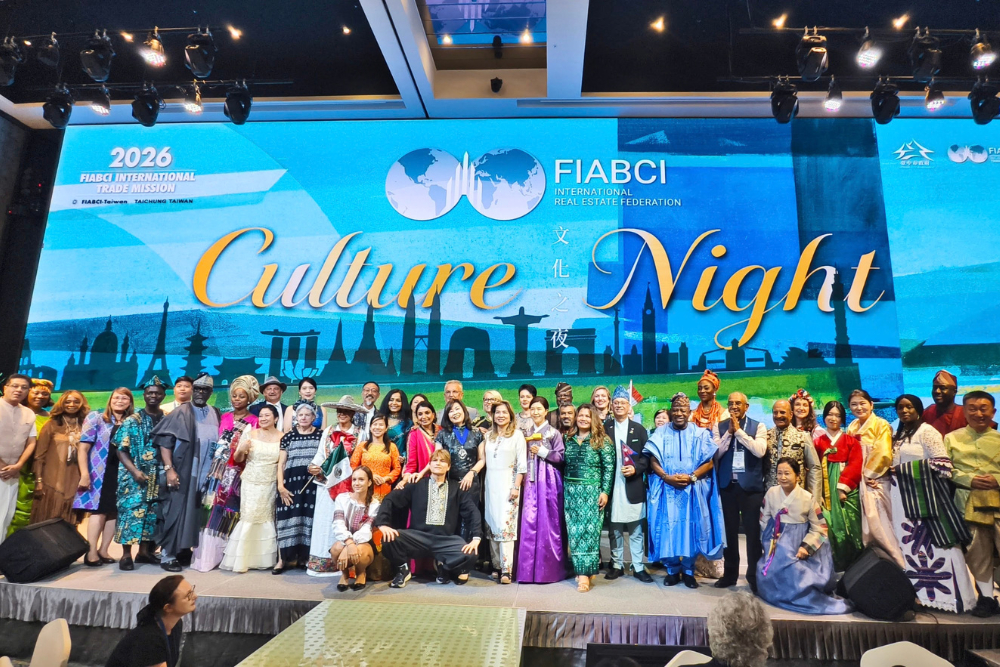
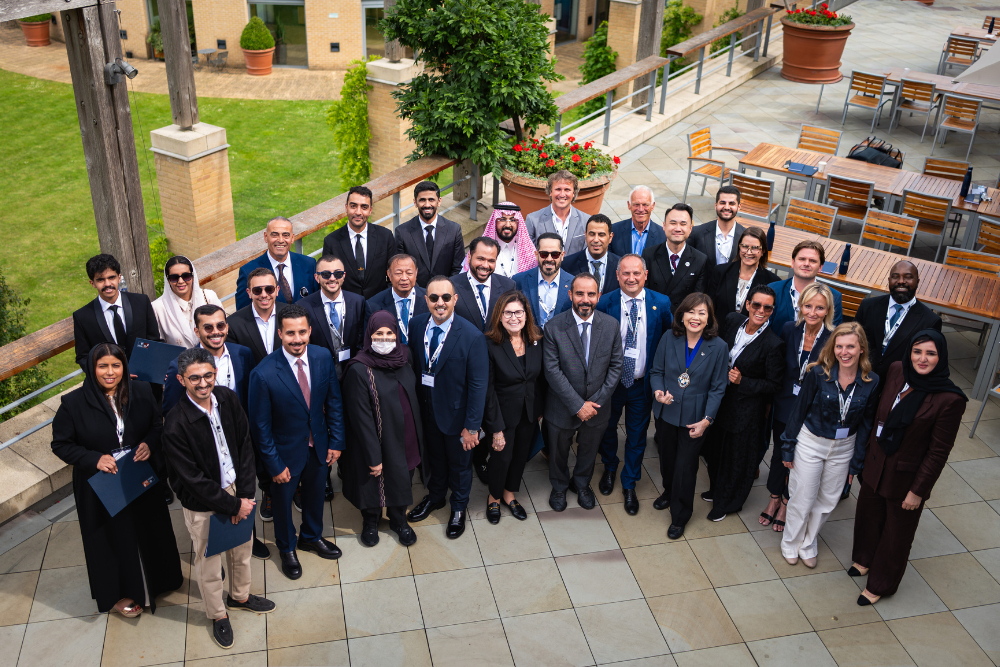





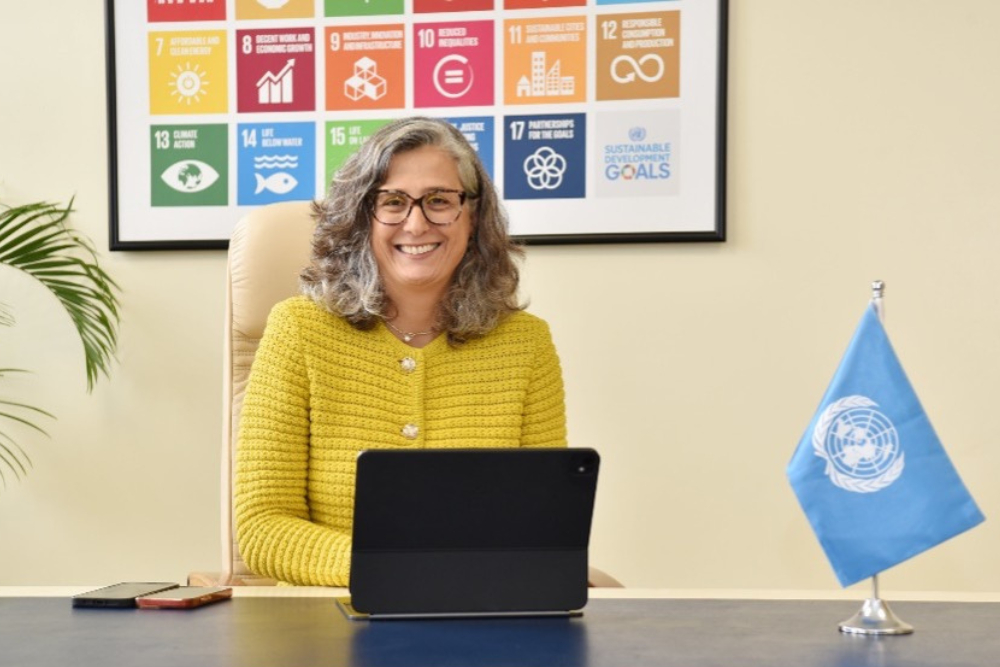







FIABCI members are located in all continents and represent 40 professions of the real estate industry.


Unlock new business opportunities to reach your full potential while sharing and inspiring best practices with like-minded professionals. If you are interested in becoming a member of the most representative real estate organization in the world, please click on “Join FIABCI” to start the pre-registration process. Once the first step is fulfilled successfully, the respective Chapter (National Federation) will contact you to provide necessary documentation and admission requirements, including the membership fee structure.

FIABCI, the International Real Estate Federation, is a business networking organization for all real estate professionals worldwide.


















































![[Webinar Summary] COVID-19: What lies ahead for the Real Estate Industry?](/uploads/news/9i1w05plq2ksbcswuyj5ze2nr.png)