Serving the Global Real Estate Industry Since 1951
Welcome to FIABCI
Start the experience


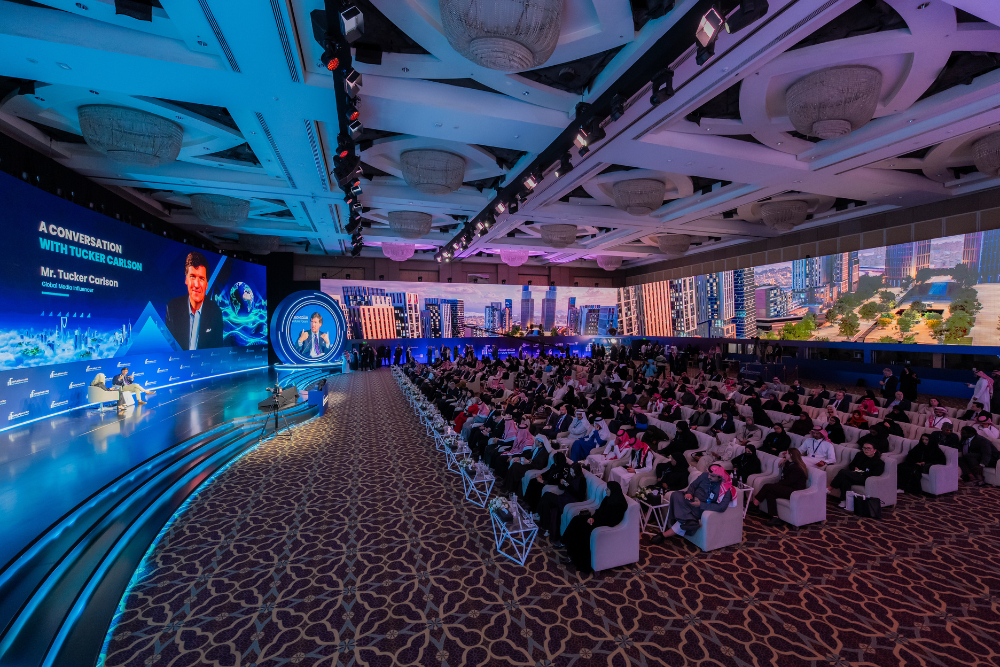
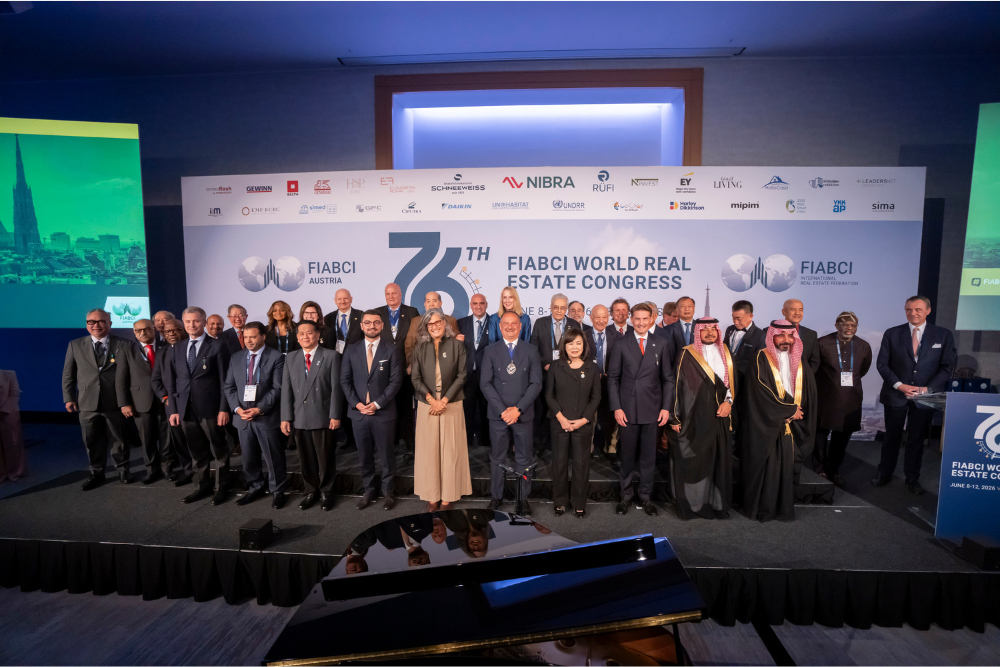
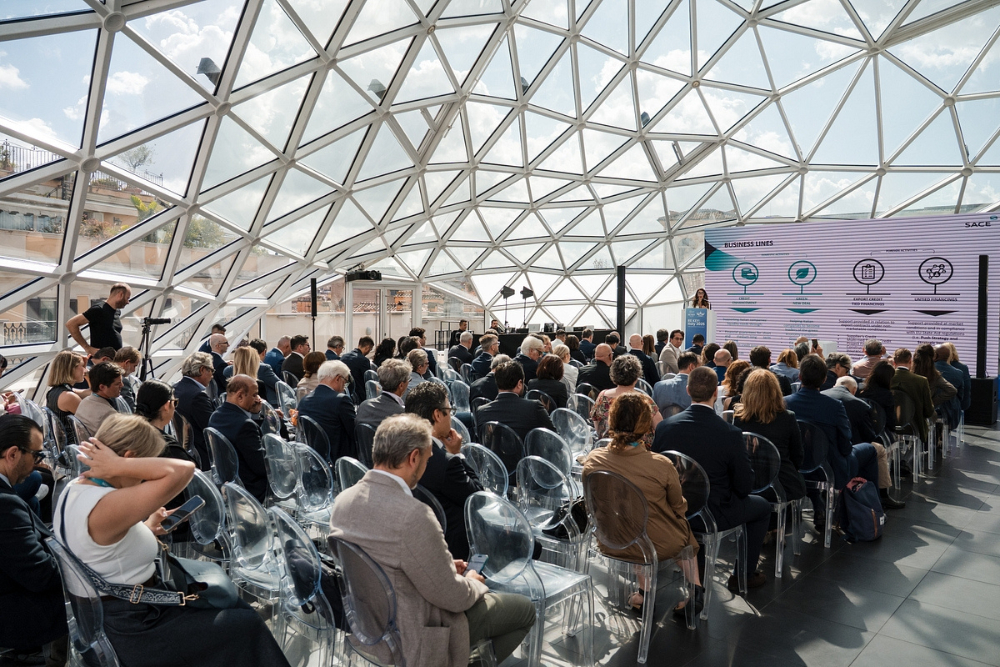
As global real estate markets navigate a period defined by capital selectivity, demographic shifts, and regulatory recalibration, the Real Estate Future Forum 2026 (RFF 2026) convened in Riyadh with a clear proposition: expanding horizons begins with institutional clarity.
Now in its fifth edition, the Forum brought together policymakers, regulators, investors, developers, and global real estate leaders at a moment when Saudi Arabia’s property sector is entering a more balanced, investment-ready phase. Under the theme Expanding Horizons, discussions focused not on ambition alone, but on the regulatory, structural, and governance foundations required to sustain long-term growth.
A Market Entering Its Next Phase
In his opening remarks, H.E. Majed Al-Hogail, Minister of Municipalities and Housing, positioned 2025 as a turning point for the Kingdom’s real estate market. He described a shift toward what he termed “real estate balance” — a policy-driven approach designed to stabilize supply, enhance efficiency, and strengthen long-term confidence.
The Minister highlighted the activation of white land and vacant property fees as a central mechanism in this recalibration, noting that more than 60,000 invoices have been issued as part of efforts to unlock underutilized land and improve market fairness. He also underscored Riyadh’s development capacity, pointing to over 100 million square meters of infrastructure-ready land expected to deliver more than 300,000 housing units within the next three years.
This emphasis on balance, rather than acceleration at any cost, framed real estate as an enabler of economic stability and urban resilience — not merely a growth sector.
Regulation as Market Infrastructure
The Forum’s institutional tone was reinforced by Eng. Abdullah bin Saud Al-Hammad, Chief Executive Officer of the Real Estate General Authority (REGA), who described RFF’s evolution from a dialogue-based gathering into a platform with measurable market impact.
According to Al-Hammad, successive editions of the Forum have generated more than 150 million views, facilitated partnerships and agreements exceeding USD 50 billion, and helped position Saudi Arabia as a global hub for real estate dialogue. He noted that the Forum now functions as a knowledge and execution platform — translating discussion into institutional outcomes, regulatory alignment, and long-term investment momentum.
Al-Hammad emphasized that regulatory clarity is central to this progress, particularly as the market expands its international engagement. Digital transformation, licensing reform, and data transparency were cited as key pillars supporting a maturing real estate ecosystem.
Expanding Horizons: Non-Saudi Ownership in Context
Among the most closely followed developments discussed at RFF 2026 was the implementation of the Non-Saudi Real Estate Ownership Law, now in force under a clearly defined regulatory framework. Rather than framing the law as a standalone reform, Forum discussions placed it within a broader system of safeguards, governance tools, and market controls designed to balance openness with stability. Al-Hogail confirmed that the framework opens new opportunities for international investors while safeguarding citizen priority and urban equilibrium.
From a regulatory perspective, Al-Hammad noted that expanding ownership rights must be accompanied by strong oversight and enforcement to ensure sustainable outcomes. The objective, he stressed, is not volume-driven expansion, but a calibrated opening that reinforces confidence across domestic and international stakeholders.
For global investors, RFF 2026 provided a rare context — addressing not only what the law enables, but how it integrates with land registration, compliance, and long-term planning mechanisms. In doing so, the Forum positioned ownership reform as a signal of institutional maturity rather than a short-term incentive.
A Global Platform for Real Estate Dialogue
Beyond national reform, RFF 2026 reinforced Saudi Arabia’s role as a convener of global real estate dialogue. International speakers examined how cities compete for capital, how sustainability standards are reshaping valuation, and how demographic change is altering demand across asset classes.
Comparative perspectives highlighted a shared challenge: traditional urban and market frameworks are under strain, requiring new models of cooperation, financing, and accountability. RFF’s contribution lay in facilitating these conversations with candor, focusing on trade-offs rather than abstractions.
Innovation With Institutional Purpose
Technology featured throughout the Forum, but always in service of governance and trust. Discussions around PropTech, digital registries, and data platforms focused on reducing friction, improving transparency, and strengthening decision-making across the real estate value chain.
Innovation was consistently framed as an institutional enabler — a means of aligning regulators, developers, and investors around shared standards and long-term outcomes.
Celebrating Global Excellence: FIABCI–Saudi Arabia’s Milestone
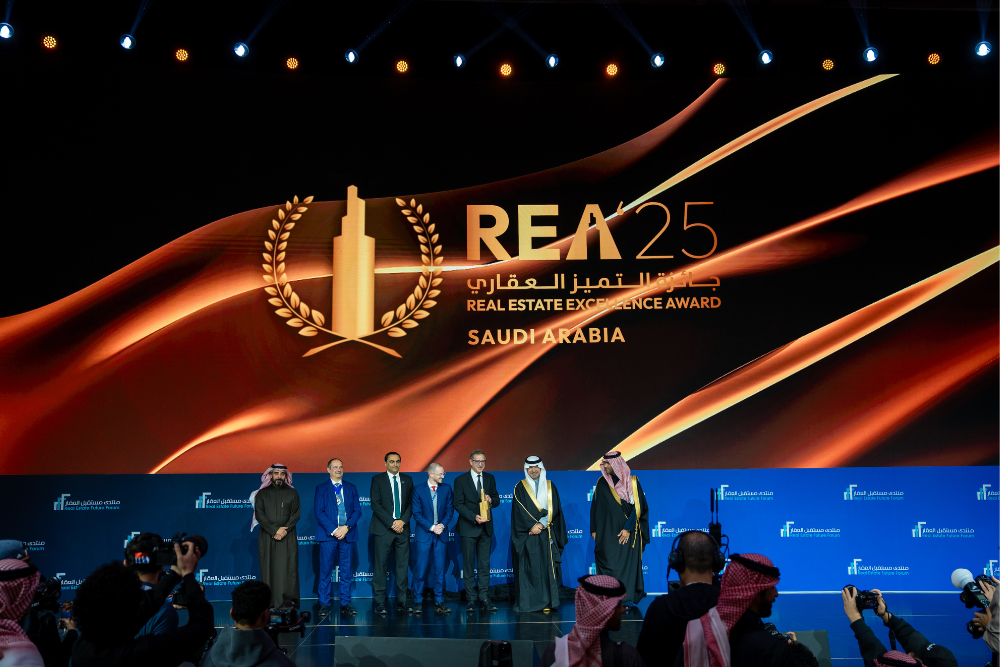
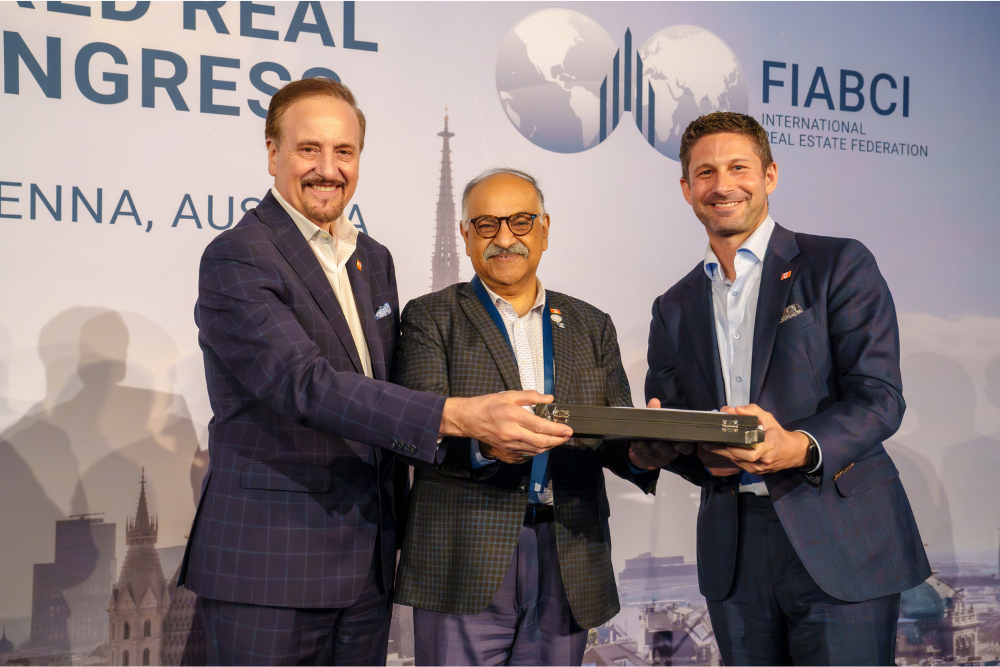
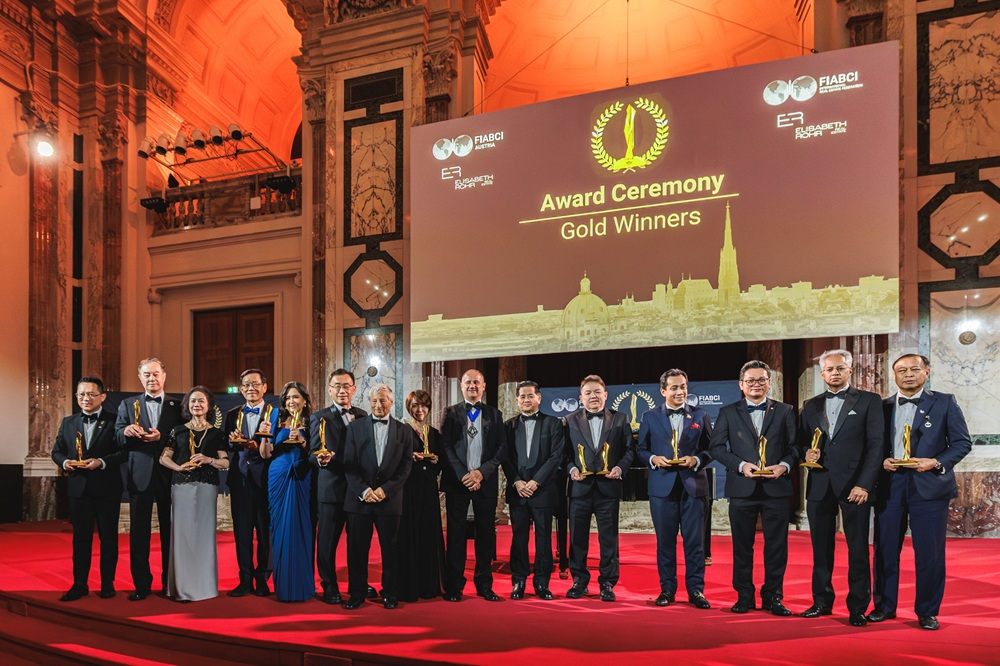
A special highlight for the FIABCI delegation was witnessing, first-hand, the remarkable achievement of FIABCI–Saudi Arabia in taking the next concrete steps for the implementation of its National Prix d’Excellence Awards, and the establishment of a strong local stage aligned with the FIABCI World Prix d’Excellence. This is not just a milestone for the Chapter—it is a powerful signal of Saudi Arabia’s growing leadership in elevating excellence, professionalism, and innovation in the built environment.
Looking Ahead
As RFF 2026 closes, attention now turns to the next chapter. The conversations convened in Riyadh this January underscored a simple truth: the future of real estate will be shaped not by scale alone, but by the clarity of its institutions, the balance of its markets, and the confidence of its participants.
The Real Estate Future Forum 2027 will build on this foundation, continuing the dialogue at the intersection of policy, capital, and long-term urban value. Scheduled to take place in Riyadh from 18–20 January 2027, the next edition will bring global and regional leaders together to examine the forces reshaping real estate and investment landscapes worldwide.
Registration for RFF 2027 is now open.
Learn more and secure participation at therff.com.
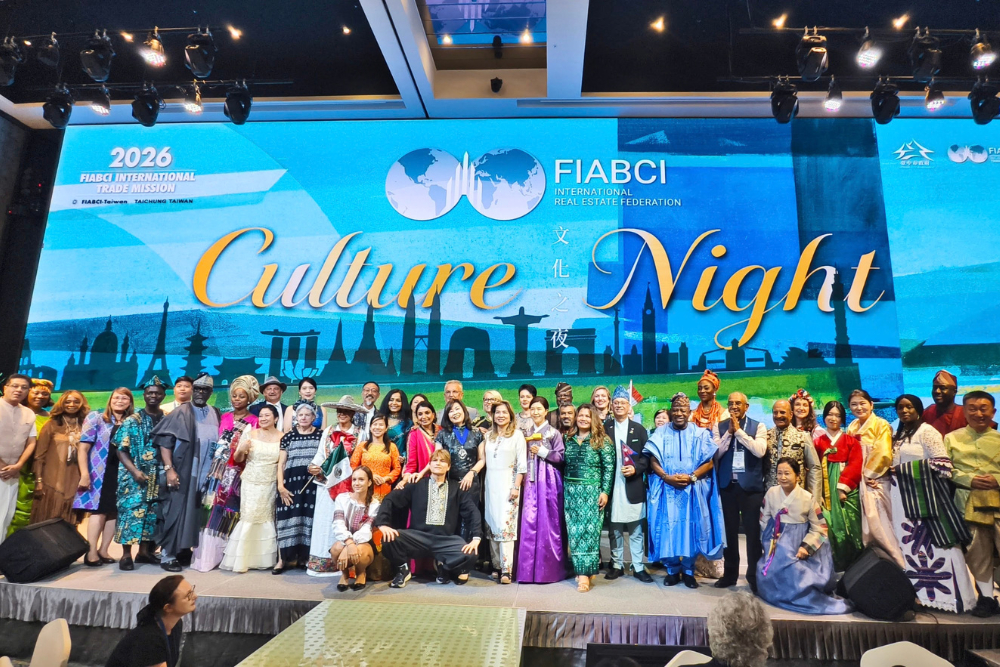
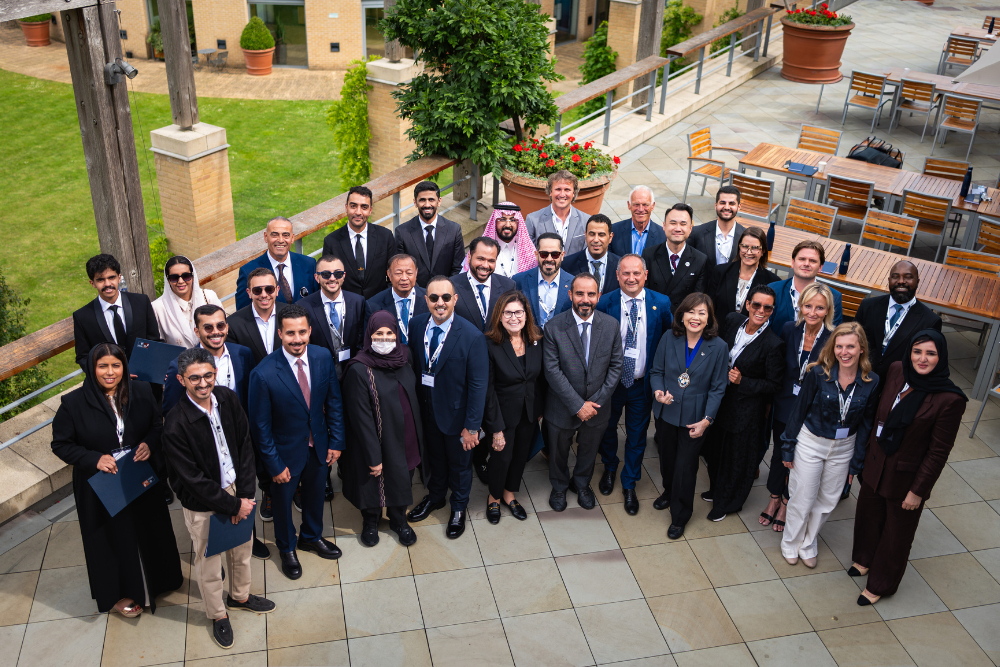





FIABCI members are located in all continents and represent 40 professions of the real estate industry.


Unlock new business opportunities to reach your full potential while sharing and inspiring best practices with like-minded professionals. If you are interested in becoming a member of the most representative real estate organization in the world, please click on “Join FIABCI” to start the pre-registration process. Once the first step is fulfilled successfully, the respective Chapter (National Federation) will contact you to provide necessary documentation and admission requirements, including the membership fee structure.

FIABCI, the International Real Estate Federation, is a business networking organization for all real estate professionals worldwide.
























![[Webinar Summary] COVID-19: What lies ahead for the Real Estate Industry?](/uploads/news/9i1w05plq2ksbcswuyj5ze2nr.png)