Serving the Global Real Estate Industry Since 1951
Welcome to FIABCI
Start the experience


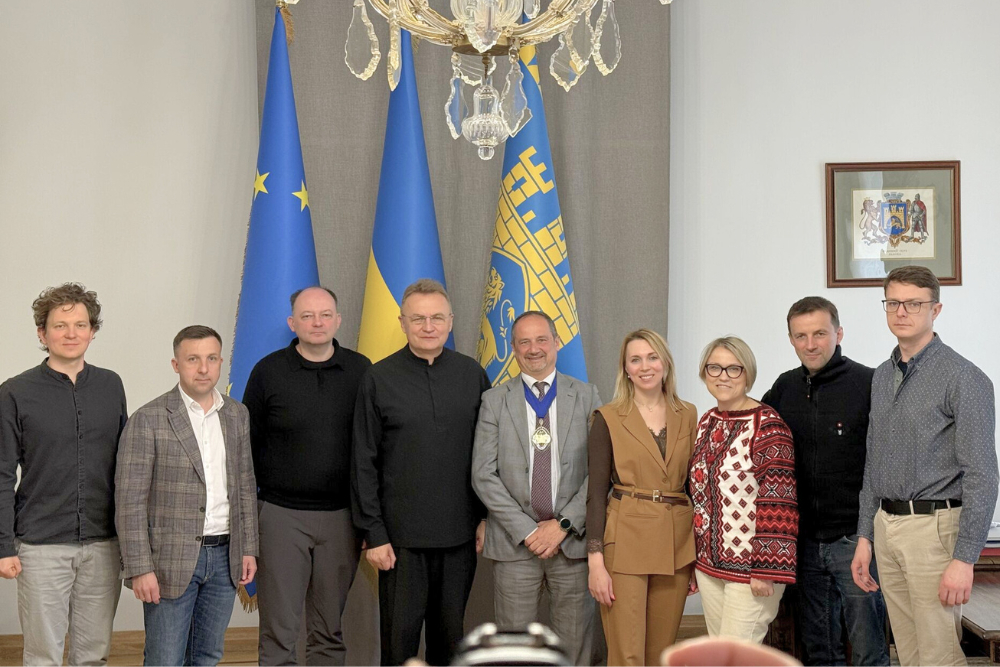
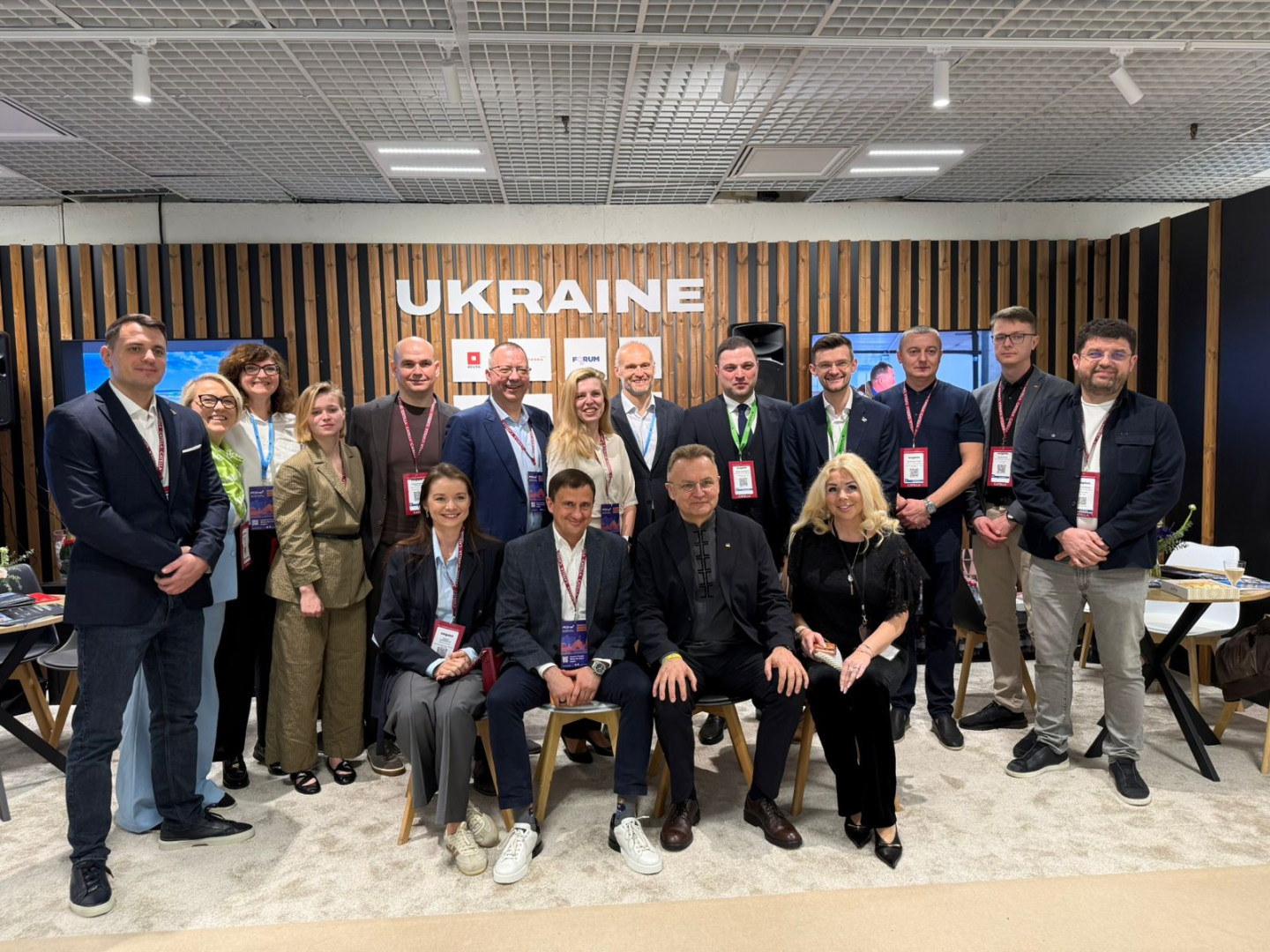
FIABCI World President Antonio Campagnoli concluded an official visit to Ukraine, highlighting the country’s ongoing recovery efforts and forward-looking development across several key communities, including Bucha, Irpin, Boiarka, and Lviv.
The visit highlighted Ukraine’s commitment not only to rebuilding war-affected areas but also to redefining urban development through sustainability, inclusivity, and international cooperation.
Bucha: Rebuilding Lives Through Partnership
The first stop was in Bucha, a city heavily impacted in the early stages of the conflict and liberated on March 31, 2022. Accompanied by FIABCI-Ukraine President Alissa Bankovska and Vice President Kateryna Pylypchuk, the delegation visited a reconstruction initiative led by the Bucha School Foundation in collaboration with international partners.
The project exemplifies the “5P approach” promoted by Antonio Campagnoli: public-private partnerships, people, and policies bringing together local leadership, architects, and over 30 Lithuanian partners. The delegation also reviewed proposed developments tied to the upcoming Rebuild Green Hackathon. Bucha is set to join FIABCI-Ukraine as a public sector member, marking a step toward deeper institutional collaboration.
Irpin: From Recovery to Innovation
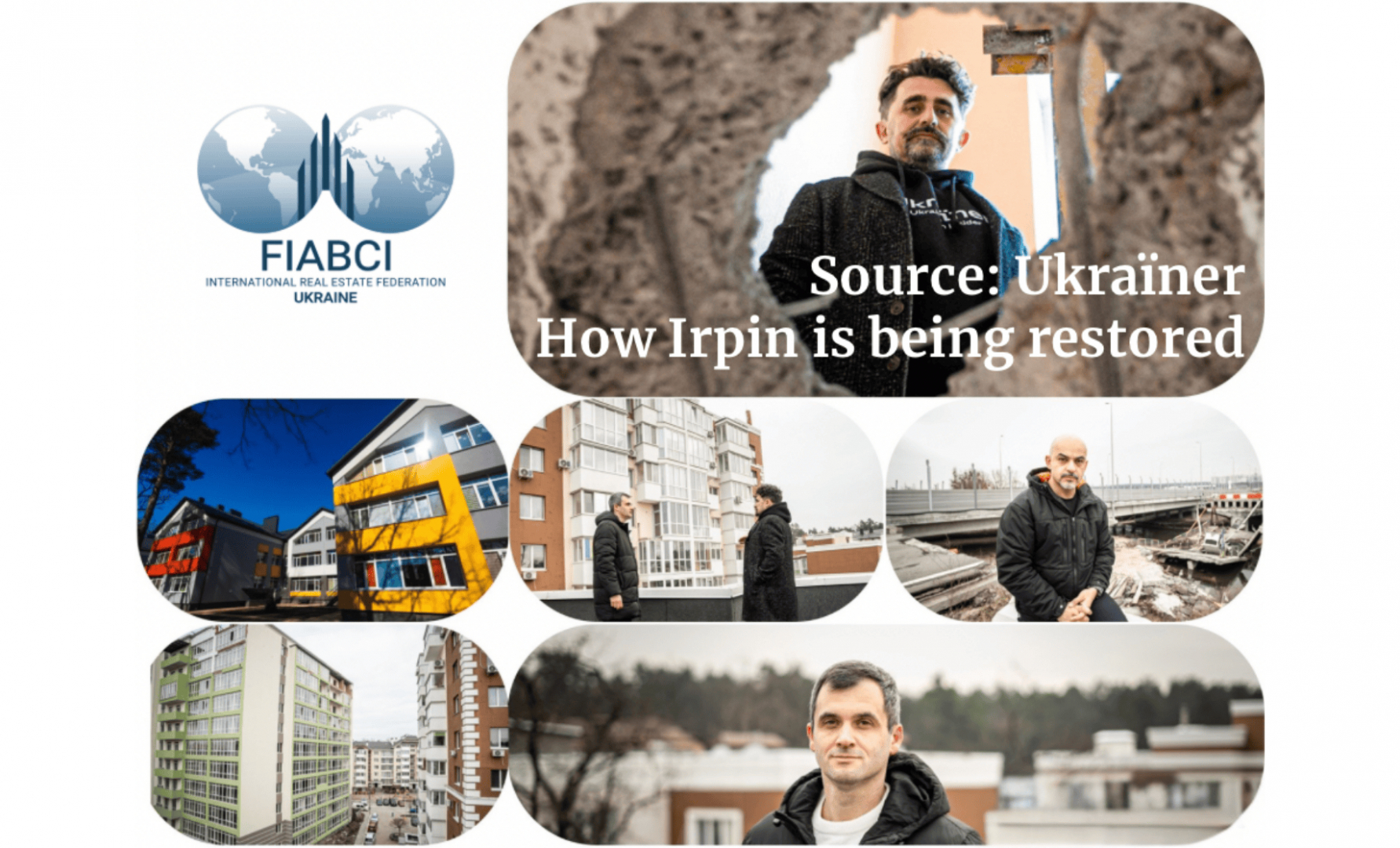
In Irpin, a symbol of resilience in the Kyiv region, discussions focused on transitioning from reconstruction to long-term urban development. The delegation met with Slava Boyarkina, advisor to the acting mayor, and explored a proposed social and affordable housing project aimed at addressing urgent housing needs for war-affected residents.
The visit also included a tour of the “O.Krasa” residential development, showcasing a contrasting model of high-quality community planning with integrated green spaces, local identity elements such as grape plantations, and on-site educational infrastructure. This dual approach reflects the broader need for both accessible and premium housing solutions in Ukraine’s rebuilding strategy.
Boiarka: Building Inclusive Communities
The third stop brought the delegation to Boiarka, where local leadership is addressing both infrastructural and social challenges. Meetings with Mayor Oleksandr Zarubin and Deputy Mayor Tetiana Kochkova resulted in the signing of a Memorandum of Understanding, formally integrating the municipality into FIABCI’s global network.
A visit to the local Veterans Hub highlighted community-driven reintegration efforts, including support for veterans and internally displaced persons, who make up approximately 15% of the population. Plans were also discussed for a future cultural and social cluster to foster cohesion and long-term recovery. Boiarka confirmed its participation in the Rebuild Green 2030 program.
Lviv: A Model for Systemic Resilience
The final stop in Lviv marked a shift toward large-scale, systemic development. During a meeting with Mayor Andriy Sadovyi, Lviv was described as a national and international hub for medical care and rehabilitation.
Central to discussions was the UNBROKEN Ukraine ecosystem, an integrated model combining medical treatment, prosthetics, psychosocial support, and social reintegration. The delegation explored opportunities for collaboration in infrastructure development, implementation of European Green Deal standards, and the establishment of a local FIABCI-Ukraine branch.
Site visits to rehabilitation and prosthetic centers, as well as social housing projects, demonstrated how healthcare, housing, and community infrastructure can be combined into scalable, human-centered systems.
A Vision Beyond Reconstruction
Throughout the visit, the FIABCI World President emphasized that Ukraine’s recovery is evolving beyond reconstruction toward a comprehensive reimagining of urban life. From community-level initiatives in Bucha and Boiarka to innovative housing models in Irpin and systemic infrastructure in Lviv, the visit highlighted a unified vision: building resilient, inclusive, and future-ready cities.
As Ukraine continues its recovery journey, partnerships between local leadership and international organizations like FIABCI are expected to play a crucial role in shaping sustainable development and long-term resilience.
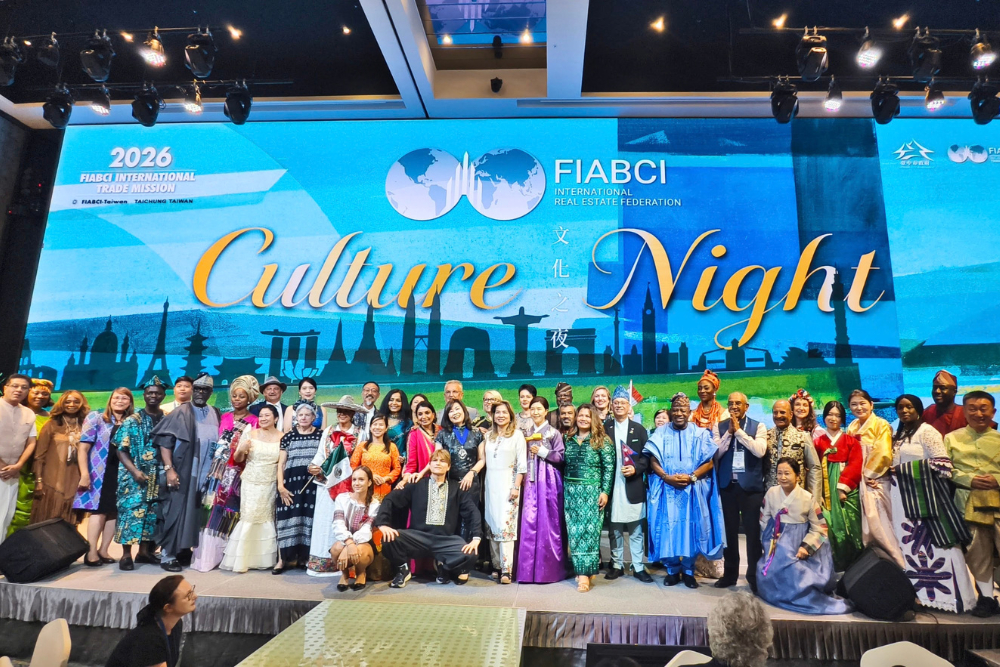
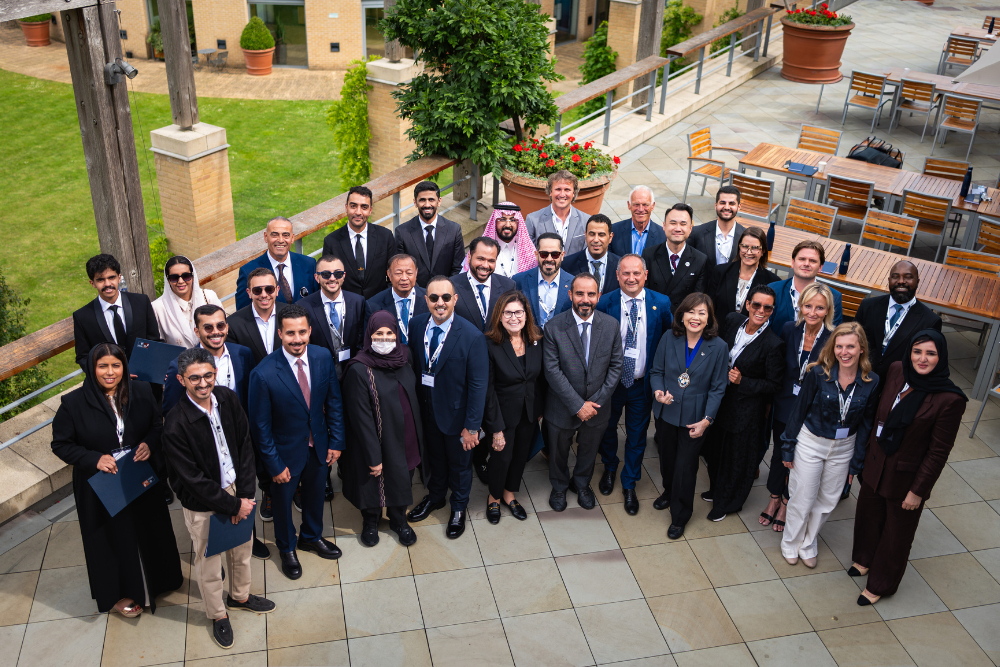





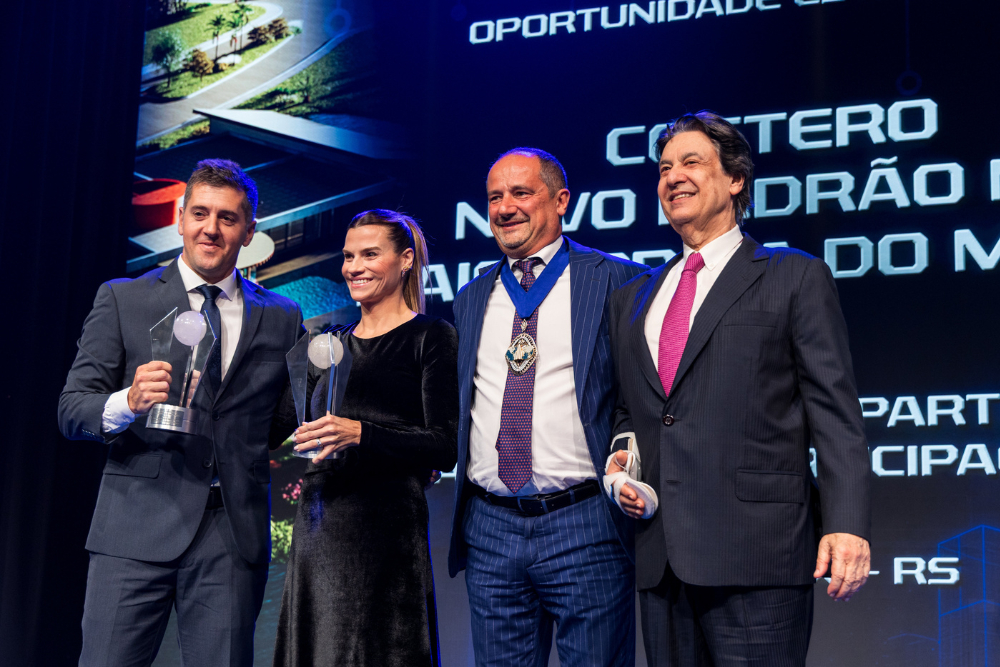



FIABCI members are located in all continents and represent 40 professions of the real estate industry.


Unlock new business opportunities to reach your full potential while sharing and inspiring best practices with like-minded professionals. If you are interested in becoming a member of the most representative real estate organization in the world, please click on “Join FIABCI” to start the pre-registration process. Once the first step is fulfilled successfully, the respective Chapter (National Federation) will contact you to provide necessary documentation and admission requirements, including the membership fee structure.

FIABCI, the International Real Estate Federation, is a business networking organization for all real estate professionals worldwide.






























![[Webinar Summary] COVID-19: What lies ahead for the Real Estate Industry?](/uploads/news/9i1w05plq2ksbcswuyj5ze2nr.png)