Serving the Global Real Estate Industry Since 1951
Welcome to FIABCI
Start the experience


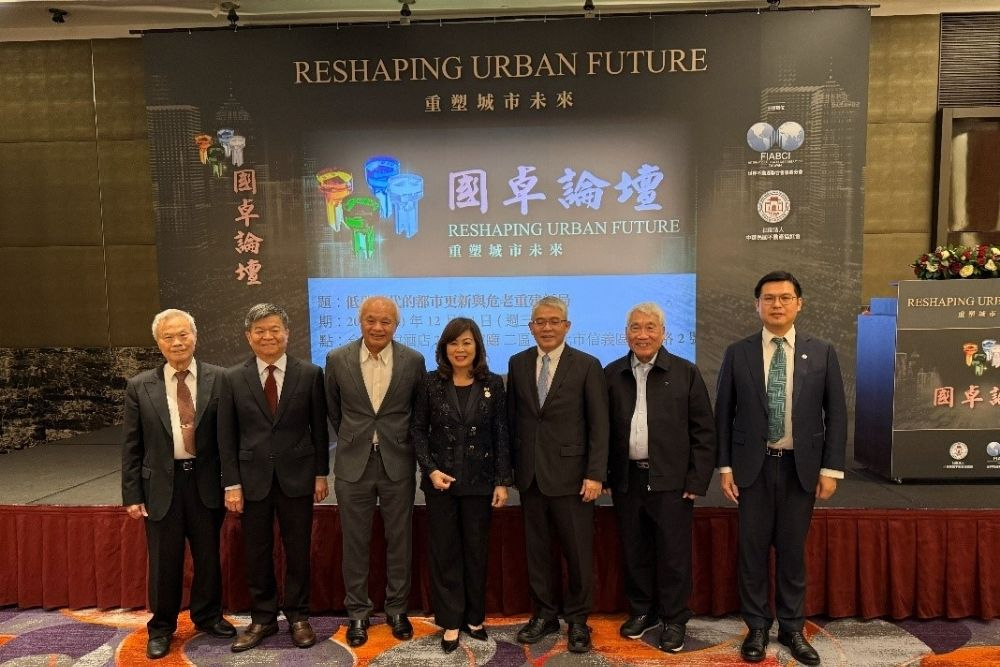
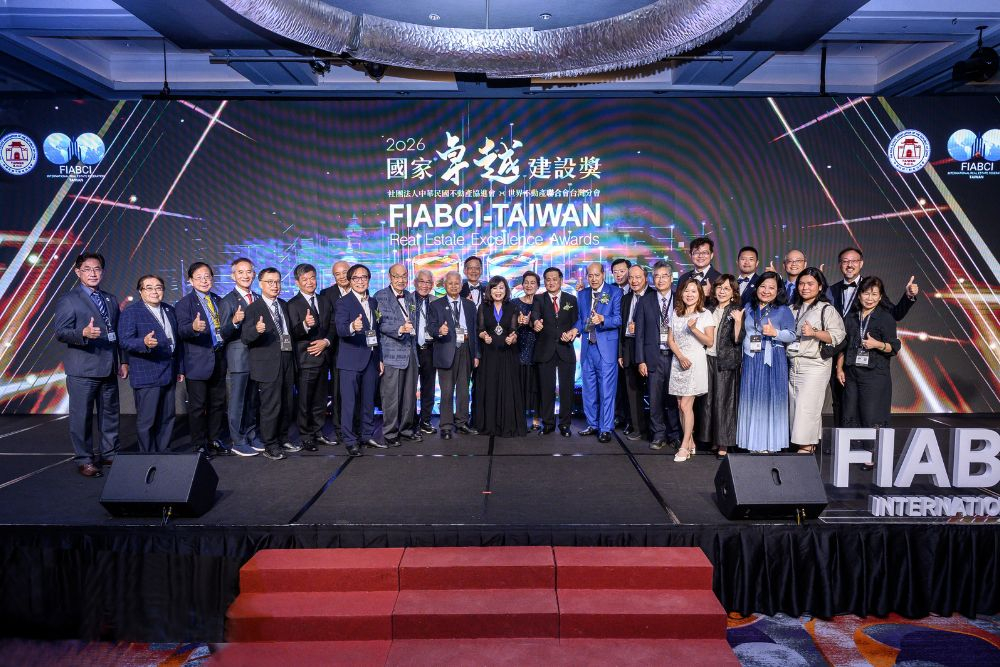
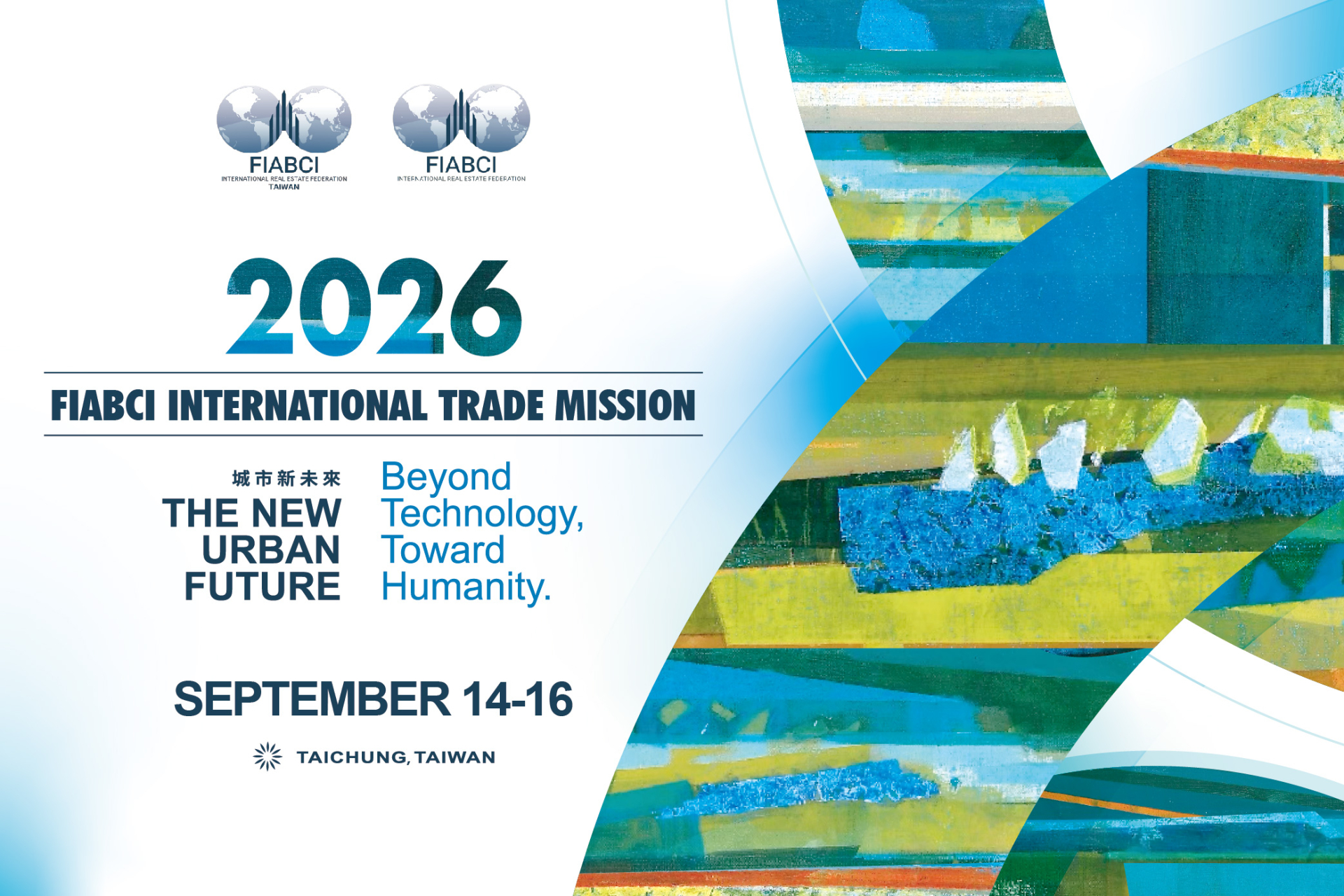
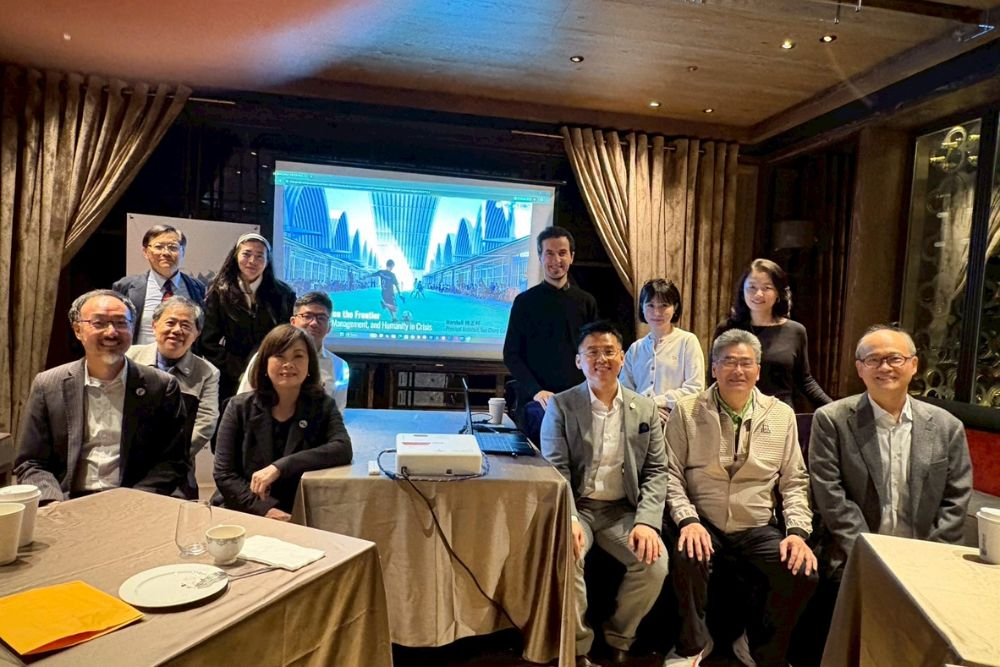
The FIABCI International Trade Mission to Taichung brought together real estate professionals, architects, urban planners, developers, and business leaders from around the world for several days of knowledge sharing, networking, cultural exchange, and new business opportunities.
From exploring the future of urban development and architecture to examining international real estate investment opportunities, the program highlighted the power of global collaboration in shaping the cities of tomorrow.
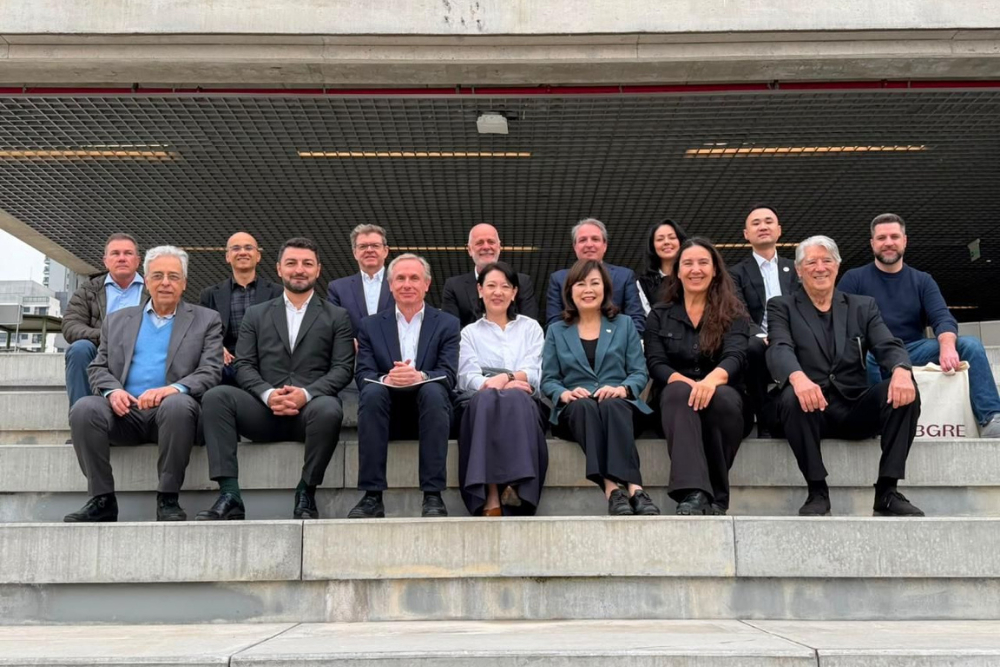
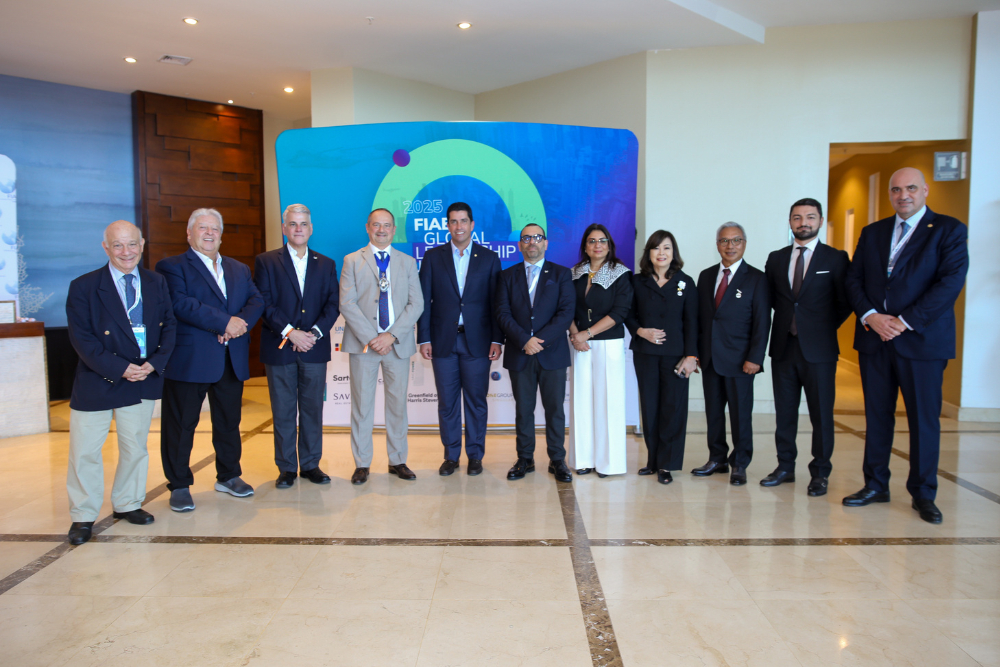
The International Trade Mission began with the FIABCI Board of Directors meeting. Board Members gathered for their inaugural meeting alongside the Trade Mission, following a special lunch attended by FIABCI Past World Presidents.
As always, the meeting provided an important opportunity to discuss the Federation’s priorities, ongoing international activities, and next steps for strengthening cooperation among FIABCI chapters and professional communities around the world.
Later that evening, delegates gathered for an open-air welcome reception at the Taichung International Convention and Exhibition Center, providing the perfect setting to officially launch the International Trade Mission.
FIABCI was honored to welcome Mayor Lu Shiow-yen, who officially welcomed the FIABCI delegation to Taichung and opened the reception with her remarks, followed by FIABCI World President Lily Chang.
FIABCI extends its appreciation to the Taichung City Government for its support of this year’s FIABCI International Trade Mission and for helping make delegates feel so warmly welcomed.
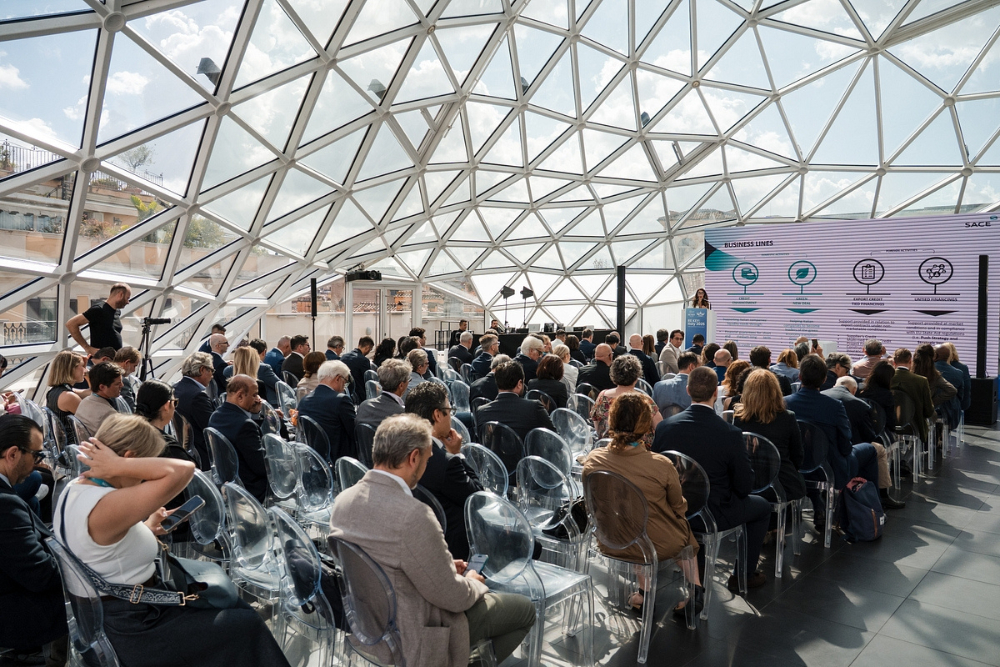
The second day brought together leading voices from architecture, urban development, and real estate to explore how cities can respond to a rapidly changing world while remaining firmly centered on people.
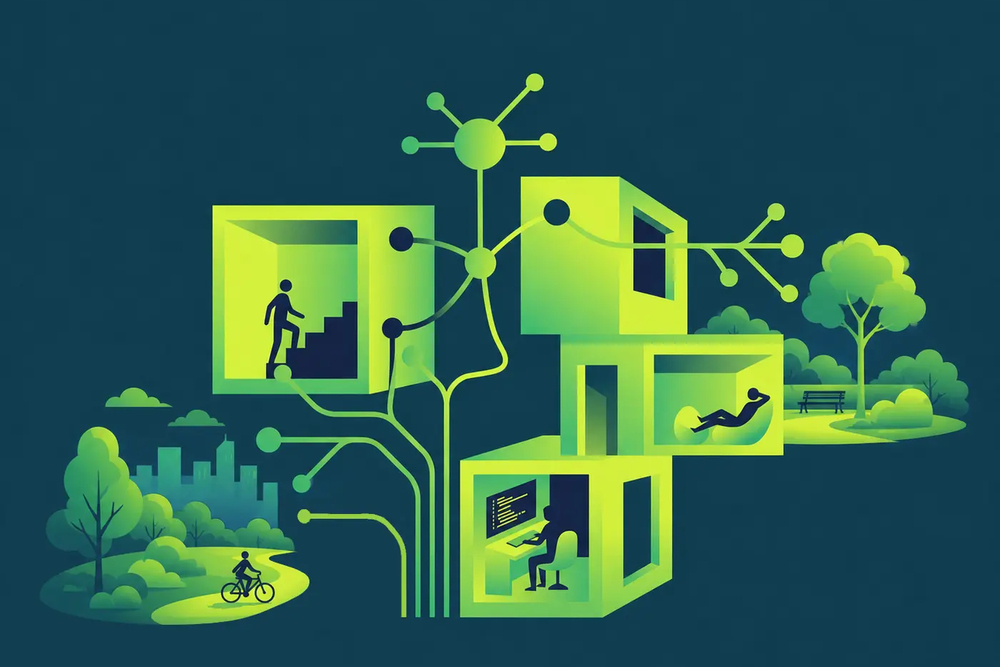
Under the overarching theme “The New Urban Future — Beyond Technology, Toward Humanity,” the day began at Feng Chia University with a series of keynote presentations offering perspectives from Japan and Taiwan on the future of urban development, architecture, and the built environment.
Following the opening remarks, Shinichi Fujimaki, President of Mori Urban Planning Corporation, delivered the first keynote of the morning.
Mori Urban Planning Corporation is part of the wider Mori Building group, one of Japan’s best-known urban development companies. Mori Building’s activities span urban redevelopment, real estate leasing and management, as well as culture, art, and town management.
Its portfolio includes landmark developments such as Roppongi Hills, Toranomon Hills, and Azabudai Hills, reflecting a long-standing approach to creating integrated urban environments rather than simply developing individual buildings.
The second keynote was delivered by Jun Shinozaki, President of Nihon Sekkei, one of Japan’s leading architectural and urban planning firms.
Established in 1900, Nihon Sekkei provides services spanning architectural planning, design and supervision, urban and regional planning, research, and consulting. The firm’s expertise encompasses architecture, interior design, engineering, landscape design, urban development, and master planning.
The morning continued with presentations from Pei-Sen Liu, Architect at Ricky Liu & Associates Architects+Planners, and Yu-Tse Tai, Architect at Tai Architects & Associates.
Based in Taiwan, Ricky Liu & Associates Architects+Planners works across architecture, urban planning, interior design, landscape, lighting, visual arts, and exhibition design. The practice has developed expertise across a diverse range of building types, including medical and senior care facilities, cultural and arts facilities, convention and exhibition spaces, offices, and collective housing.
One notable example of the firm’s work is the Taichung Green Museumbrary, a major cultural complex designed in collaboration with SANAA’s Kazuyo Sejima and Ryue Nishizawa. The project brings together the Taichung Art Museum and Taichung Public Library within a landscape-oriented complex designed to connect architecture, culture, and the surrounding park.
Yu-Tse Tai also shared the architectural story behind the Dongshi Hsu Liang-Yu Library, reflecting on the profound love of Lawyer Hsu Liang-Yu and his parents and the original vision of the “Common Good” team to create a space that would feel like a shared living room for the mountain town of Dongshi.
The project demonstrated how architecture can go beyond function to create meaningful connections, foster community, and bring people together around a shared sense of place.
Following the morning’s keynote sessions, delegates moved into the networking and business program.
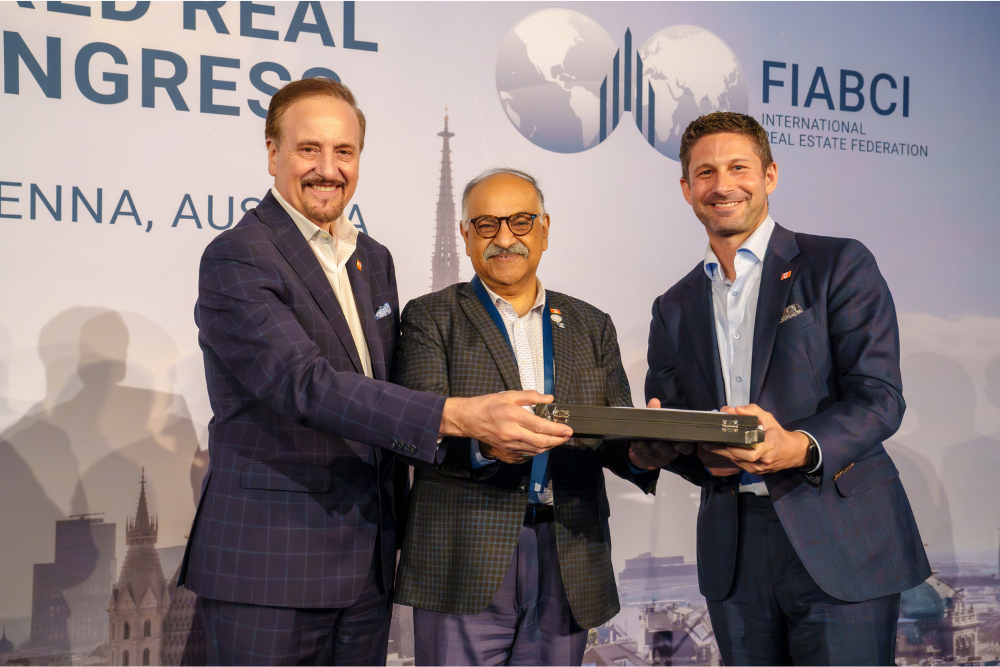
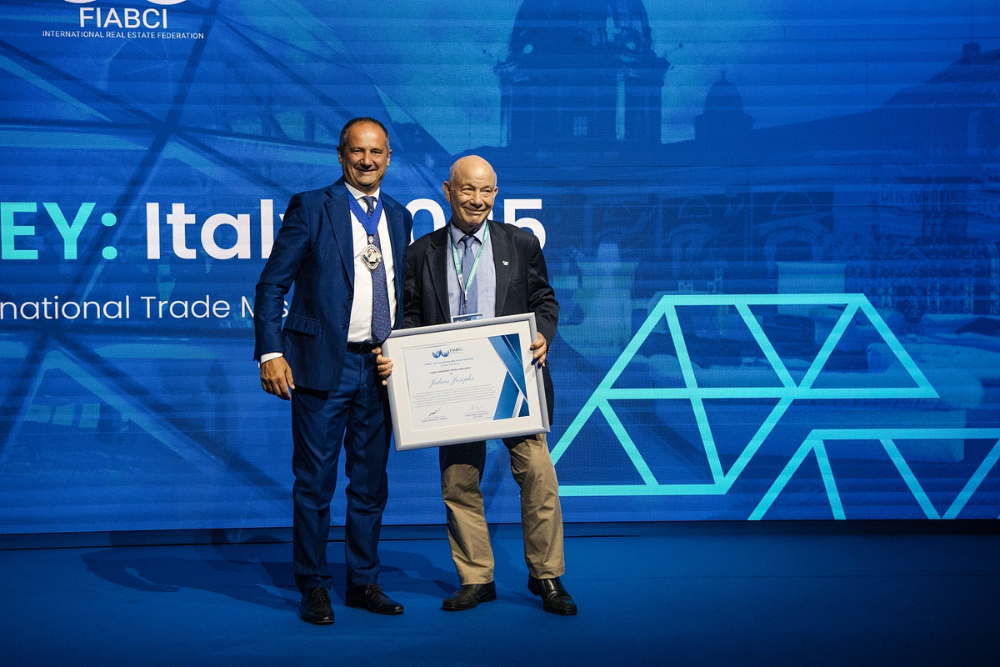
After lunch, FIABCI and CCIM marked an important milestone with an MoU Signing Ceremony, bringing two leading international organizations closer together and creating new opportunities for collaboration and exchange within the global commercial real estate community.
Representing FIABCI, FIABCI World President Lily Chang and FIABCI Secretary-General Narek Arakelyan signed the agreement. From CCIM, CCIM Global President Adam Palmer, CCIM, SIOR, and CCIM CEO Paul Rumler, CCIM, CCE, represented the organization.
The partnership represents another step toward strengthening international connections and facilitating greater exchange across the global commercial real estate sector.
The first afternoon Market Networking Forum, moderated by Jack Huang, focused on “TSMC’s Global Footprint: Unlocking New Real Estate Opportunities.”
The panel brought together Adam Palmer and Allen Cheng-Han Yu from the United States, Keiichi James Kojima from Japan, and Winston Shih from Taiwan.
The discussion explored the real estate implications of TSMC’s expanding global footprint and the opportunities emerging around investment, development, and the evolving needs of technology-driven industries.
The forum was followed by RE KEY B2B Matchmaking, allowing participants to turn the day’s insights into direct business connections and explore potential partnerships.
The afternoon concluded with a second Market Networking Forum, “Asian Real Estate Investment Opportunities and Outlook,” moderated by David Tang.
The international panel featured Rusmin Lawin from Indonesia, Sopon Pornchokchai from Thailand, Nestor Mangio from the Philippines, and Kim Yong-Nam from the Republic of Korea.
Together, the day’s sessions connected two sides of the same conversation: how cities are designed and developed for the future, and how the real estate sector can respond to the opportunities created by those transformations.
From Tokyo’s large-scale urban redevelopment experience to Taiwan’s architectural innovation and the emerging opportunities linked to global investment and technology, Day 2 offered a truly international perspective on the future of the built environment.
At the heart of the conversation was a shared recognition that the future of cities is not simply about technology or infrastructure. It is about creating places where people can live, work, connect, and thrive.
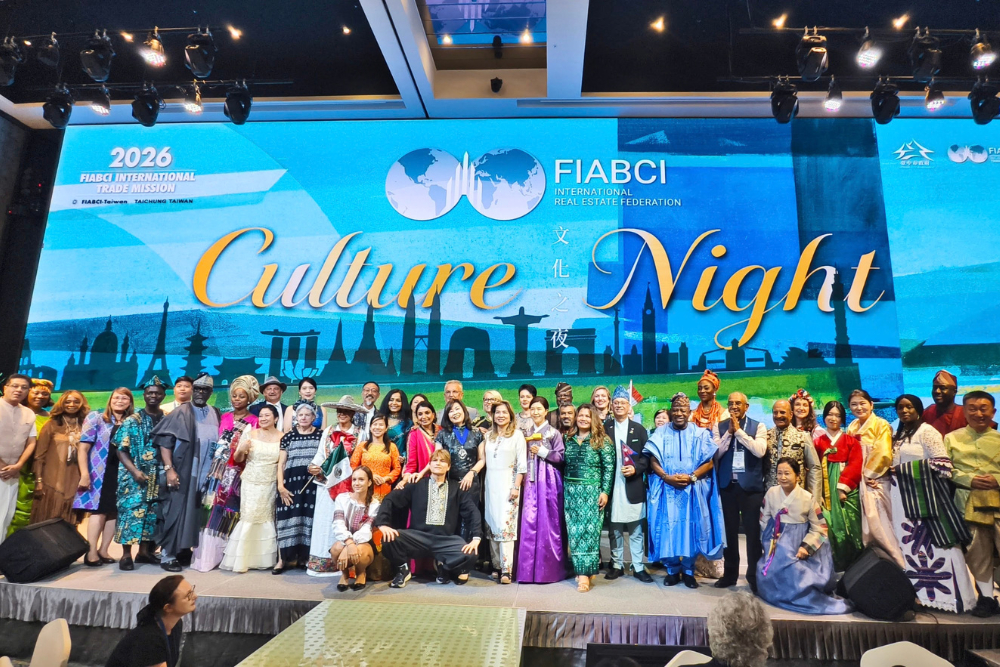
After a full day of forums, lectures, and business discussions, delegates came together in the evening to celebrate one of FIABCI’s greatest strengths: its diversity.
Culture Night transformed the evening into a vibrant celebration of the many countries and cultures represented within the FIABCI community. Delegates attended the banquet wearing the traditional attire of their respective countries, creating a spectacular display of colors, traditions, and national identities.
Through different languages, music, dances, and cultural traditions, the evening offered a memorable reminder that international collaboration is not only about business — it is also about understanding, friendship, and celebrating what makes each community unique.
FIABCI was especially pleased to welcome Director Chen Chia-Chun of the Taichung City Cultural Affairs Bureau, who attended the celebration and delivered remarks on behalf of Mayor Lu Shiow-yen.
The evening provided a fitting conclusion to a day centered on international exchange, bringing delegates together in a spirit of friendship and shared appreciation for the cultures that make the global FIABCI community so vibrant.
From urban innovation to international investment, and from business connections to cultural exchange, the FIABCI International Trade Mission demonstrated once again the value of bringing the global real estate community together.
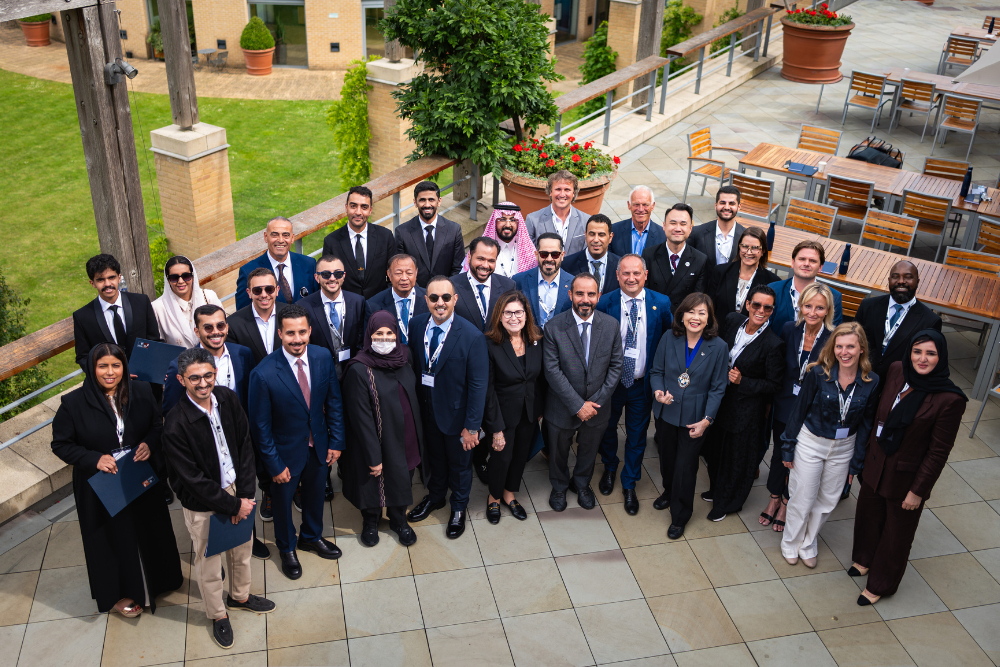


FIABCI members are located in all continents and represent 40 professions of the real estate industry.


Unlock new business opportunities to reach your full potential while sharing and inspiring best practices with like-minded professionals. If you are interested in becoming a member of the most representative real estate organization in the world, please click on “Join FIABCI” to start the pre-registration process. Once the first step is fulfilled successfully, the respective Chapter (National Federation) will contact you to provide necessary documentation and admission requirements, including the membership fee structure.

FIABCI, the International Real Estate Federation, is a business networking organization for all real estate professionals worldwide.

















![[Webinar Summary] COVID-19: What lies ahead for the Real Estate Industry?](/uploads/news/9i1w05plq2ksbcswuyj5ze2nr.png)